StarPixels Skynotes 🌠 Tonight’s Sky Over North Texas – December 9, 2025
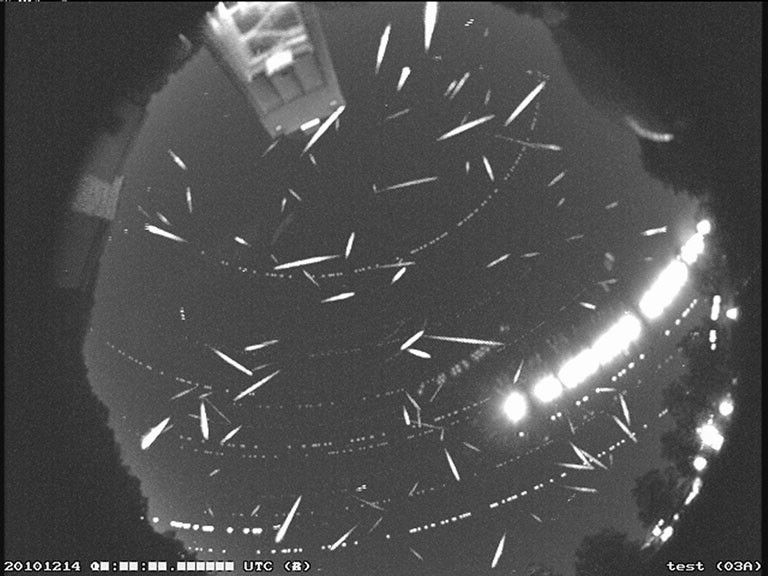
Tonight over Denton and Argyle we get early darkness, a bright but late-rising Moon, and a strong winter lineup:
Jupiter glaring over the east, Saturn fading toward the west, the Pleiades sparkling high, and Orion climbing with its nebula glowing in the cold air.
If you can step outside for an hour or two after full dark, this is a “grab the binoculars and a jacket” night, not a hardcore imaging marathon.
1. Tonight at a Glance 🌠
Location: Denton / Argyle, North Texas (CST, UTC–6)
Date: Tuesday, December 9, 2025
Sunset: 5:21 pm
Astronomical twilight ends (true dark): ~6:49 pm
Day length: ~10 hours 1 minute
Moon:
Phase: Waning gibbous (~74% illuminated)
Moonrise: ~10:41 pm (ENE)
Moonset: ~11:36 am
Best observing windows:
Deep-sky (dimmer targets): ~6:50–10:15 pm (before the Moon gets up)
Moon + bright showpieces: After ~11:00 pm once it clears the horizon & obstacles
Headline:
Early: dark winter sky for clusters and nebulae.
Late: bright Moon, Jupiter, and big showpieces.
2. Sun, Moon & Darkness 🌗
Winter is doing its thing now: short days, long nights.
The Sun sets at 5:21 pm and the sky hits full astronomical darkness around 6:49 pm.
Step outside around 7 pm and you’re already in useful darkness for clusters and bright nebulae.
The Moon is a waning gibbous, roughly 74% lit, but it doesn’t come up until late evening. That buys you a solid 3–4 hours of genuinely dark sky before it climbs up and starts washing out faint stuff.
Practical translation:
Before ~10:30 pm: Best window for Andromeda, Pleiades, and Orion’s sword region as it rises.
After ~11 pm: Moon is up; shift to the Moon itself, Jupiter, and bright clusters.
3. Planets 🔭
Tonight is a two-planet backyard show: Saturn early, Jupiter all evening, with Uranus as a bonus challenge.
Saturn – Fading Ringed Planet
Visible: Dusk until roughly late evening, setting in the southwest.
Where: Low in the south–southwest after dark, slowly sinking.
Why look: A small telescope easily shows the rings and at least one or two moons.
If the air is steady, try more magnification to tease out the Cassini Division as a thin dark gap in the rings.
Jupiter – Bright Glaring Beacon
Visible: From early evening through much of the night, riding higher as the night goes on.
Where: Bright “non-twinkling star” in the east to southeast after dark, moving toward the south later.
Why look: In binoculars, you’ll see four Galilean moons lined up; in a small scope, expect cloud bands and shifting moon positions, with the occasional transit or shadow.
Uranus – Suburban Challenge
Visible: Mid-evening onward, fairly high.
Where: In the region between Aries and Taurus; easiest with an app or star chart.
Why look: At higher power in a small telescope, Uranus resolves into a tiny bluish-green disk that clearly isn’t a star.
4. Meteors & Transients ✨
Geminid Meteor Shower – Building Toward Peak
The Geminids are one of the best showers of the year, active from about December 4–20 and peaking around December 13–14.
They’re unusual because they come from asteroid 3200 Phaethon, not a comet.
Radiant (J2000):
RA: 07h 28m
Dec: +33°
Constellation: Gemini
Tonight over North Texas
Backyard rate tonight: on the order of 10–25 meteors/hour from a decent suburban site.
Best window: after about 11 pm, when Gemini is high.
Where to look: Face generally east to southeast and look 30–45° away from Gemini to sweep more sky.
Think lawn chair + patience. Leave the phone inside, give your eyes 20 minutes to adapt, and let the streaks ambush you.
5. Tonight’s Targets 🔍
Pleiades – M45 “The Seven Sisters”
Type: Open star cluster with reflection nebulosity
Constellation: Taurus
Coordinates (J2000): RA ~03h 47m, Dec +24°
Best time: 9–11 pm, high in the east–southeast
What you’ll see:
Naked eye: A tight “mini Dipper” of bright stars; 6–7 obvious stars from the suburbs.
Binoculars: The best binocular target of the night – dozens of stars, very 3D against the background.
Small telescope: Use low power and a wide field so the whole cluster fits in one view.
Orion Nebula – M42, Star Nursery
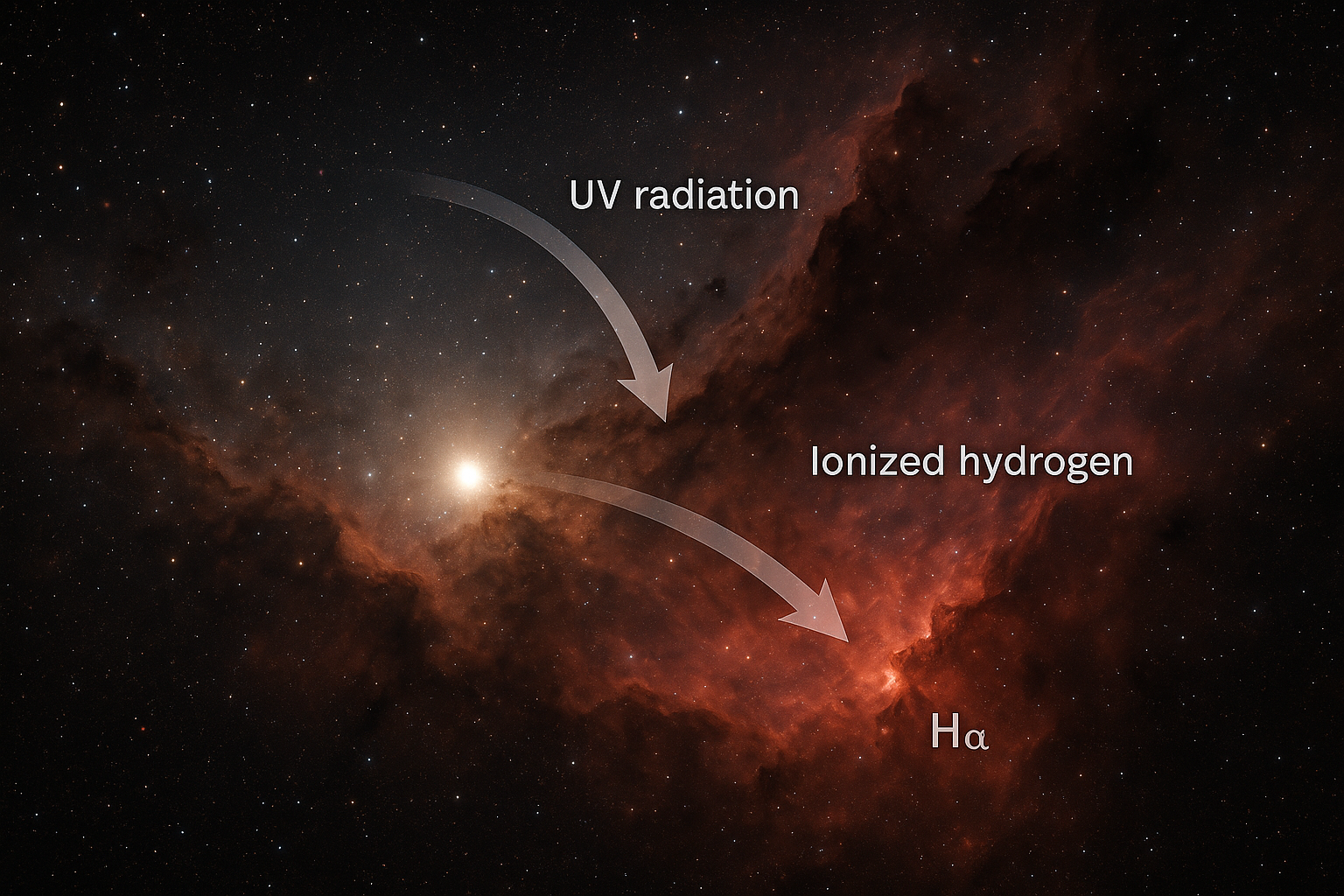 Hubble’s sharpest view of the Orion Nebula, a rich stellar nursery of gas, dust, and newborn stars. Image credit: NASA / ESA / Hubble.
Type: Emission nebula / stellar nursery
Constellation: Orion
Coordinates (J2000): RA ~05h 35m, Dec –05° 23′
Best time: 9 pm onward, climbing in the east–southeast
What you’ll see:
Naked eye: A fuzzy “star” in the middle of Orion’s sword hanging below the belt.
Binoculars: A bright teardrop of light with a brighter core.
Small telescope: Wing-like nebula structure wrapping around the bright core; look for the Trapezium, a tight group of four main stars at the center.
Andromeda Galaxy – M31, Neighboring Island Universe

Type: Spiral galaxy
Constellation: Andromeda
Coordinates (J2000): RA ~00h 42m, Dec +41° 16′
Best time: Soon after dark, high in the northeast, drifting west through the evening
What you’ll see:
Naked eye: A soft, elongated smudge under decent suburban skies.
Binoculars: Bright core with a faint oval halo stretching side to side.
Small telescope: Bright nucleus plus extended disk; think “nearby galaxy glow” more than detailed spiral arms.
6. Conditions & Argyle Seeing Score (ASS) 🌤️
Forecast for Denton / Argyle:
Sky: Mostly clear through the evening and late night.
Temps: Low- to mid-60s°F early, dropping into the 50s°F late.
Humidity / dew: Cool with some humidity; light dew possible on optics after a few hours.
Transparency: Good – cool, fairly dry air.
Seeing: Moderate – enough for solid planetary detail, just not rock-steady “APO refractor ad” conditions.
Argyle Seeing Score (ASS)
Early evening (7:00–9:30 pm): ASS ≈ 7/10 – dark, clear, and steady enough for deep-sky + clusters.
Late night (11:00 pm–2:00 am): ASS ≈ 6/10 – Moon brightens the background; still great for Moon and planets.
Recommended plan:
Start the night with Pleiades, Andromeda, and Orion’s sword before the Moon rises. After that, swing to the Moon, Jupiter, and bright clusters while you keep an eye out for Geminid streaks.
7. Yesterday vs Today 📊
Moonlight:
Last night (Dec 8): Slightly brighter waning gibbous (~84%) with an earlier moonrise.
Tonight (Dec 9): About ~74% illumination and a later moonrise (~10:41 pm), giving more dark time.
Weather:
Last night: Similar clear, cool pattern.
Tonight: Very comparable, still favorable for casual observing or imaging.
Bottom line:
Tonight is slightly better than last night for deep-sky in the evening thanks to the later, dimmer Moon.
8. Verified Visuals & Links 🖼️
Geminid meteor shower overview (NASA):
https://science.nasa.gov/solar-system/meteors-meteorites/geminids/
Pleiades (M45) – NASA Hubble Messier catalog:
https://science.nasa.gov/mission/hubble/science/explore-the-night-sky/hubble-messier-catalog/messier-45/
Orion Nebula – Hubble’s sharpest view:
https://science.nasa.gov/asset/hubble/hubbles-sharpest-view-of-the-orion-nebula/
Andromeda Galaxy (M31) – Sharpest Hubble mosaic (ESA/Hubble):
https://esahubble.org/images/heic1502a/
Clear skies from North Texas! 🌌
— Rick / StarPixels
Share this content: