
0:50Video · Your Moving Universe
You Have Never Been in the Same Place Twice
Standing still is only a local illusion; Earth carries you through a path that never closes.
The Observation Deck
A continuous journey from the sky over your head to the oldest light in the universe—one clear, sourced idea at a time.
01 · Home Orbit
Earth, Moon, Sun · light-seconds–light-minutesBegin with the worlds and weather close enough to shape an ordinary night.
0:50Video · Your Moving Universe
Standing still is only a local illusion; Earth carries you through a path that never closes.
0:40Video · The Sun and Space Weather
In 1859, the aurora became part of the electrical grid.
1:32Video · The Sun and Space Weather
We mapped the inside of a star by watching its surface tremble.
1:31Video · Hidden Physics
Space can carry sound when it contains enough gas—and one cluster has been resonating for billions of years.
0:37Video · The Sun and Space Weather
Move away from the Sun’s visible surface and the temperature rises by orders of magnitude.
1:36Video · The Sun and Space Weather
A photon can spend longer escaping the Sun than humanity has spent building cities—then reach Earth in minutes.
1:11Video · The Sun and Space Weather
The Sun’s core reaches you at night through particles that cross Earth almost untouched.
Cosmic Bytes · Published archive
A trust-first buying framework for a volatile telescope market.
By Rick Wood · Updated July 16, 2026SkyNotes · Published archive
An archived weekly sky briefing preserved at its original URL.
By Rick Wood · Updated July 16, 2026Cosmic Bytes · New story
What observations support—and what remains open—in the coronal-heating problem.
By Rick Wood · Updated July 16, 2026Deep Dives · New story
How surface oscillations reveal the otherwise invisible solar interior.
By Rick Wood · Updated July 16, 2026Deep Dives · New story
Tidal exchange is widening the Moon’s orbit and lengthening Earth’s day.
By Rick Wood · Updated July 16, 2026Cosmic Bytes · New story
The magnetosphere redirects solar particles; the aurora reveals where energy still gets in.
By Rick Wood · Updated July 16, 202602 · The Solar System
Planets, asteroids, comets · light-minutes–light-hoursCross the planetary neighborhood, from bright worlds to small bodies on consequential paths.
1:15Video · Cosmic Impacts and Planetary Defense
Tunguska flattened a forest without making a crater: the atmosphere became the weapon.
5:06Video · Worlds Gone Wrong
Venus began with Earth-like ingredients and became a world that melts lead.
1:33Video · Worlds Gone Wrong
Earth’s nearest planetary twin may have kept water for eons before losing the path back.
0:53Video · Worlds Gone Wrong
On Venus, the Sun rises in the west and a rotation outlasts an orbit.
1:12Video · Worlds Gone Wrong
Mercury can make the Sun stop, reverse, set, and rise again in the same morning.
3:35Video · Cosmic Impacts and Planetary Defense
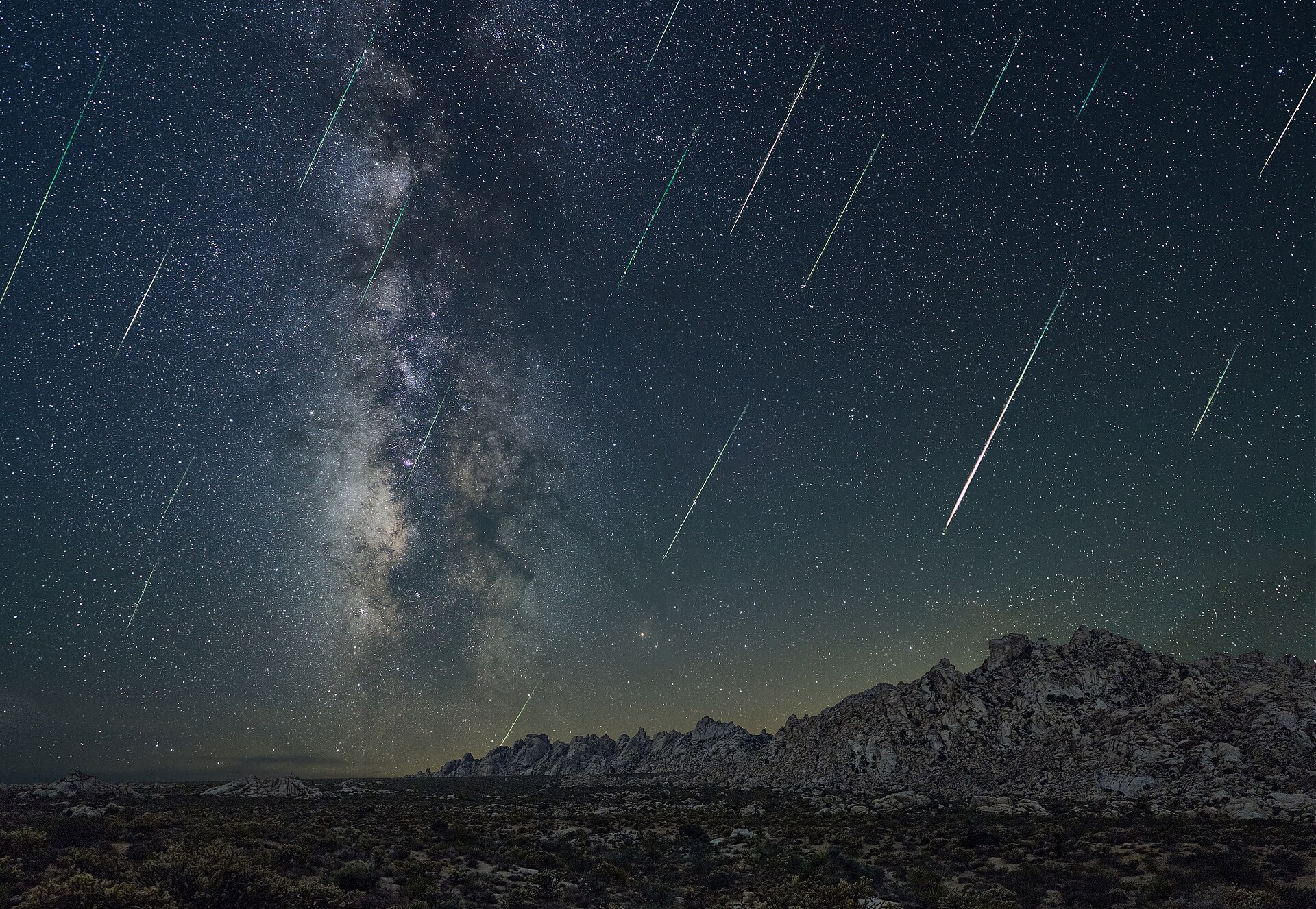
A beloved meteor shower is Earth crossing debris from a 26-kilometer comet.
Cosmic Bytes · New story
Pressure, greenhouse physics, lander evidence, and what ‘runaway’ really means.
By Rick Wood · Updated July 16, 202603 · The Near Stars
light-years–tens of light-yearsMeet the stellar neighbors that turn pinpoints into places.
04 · The Local Arm
hundreds of light-yearsMove through the star-forming neighborhoods around our part of the galaxy.
Observatory Watch · Published archive
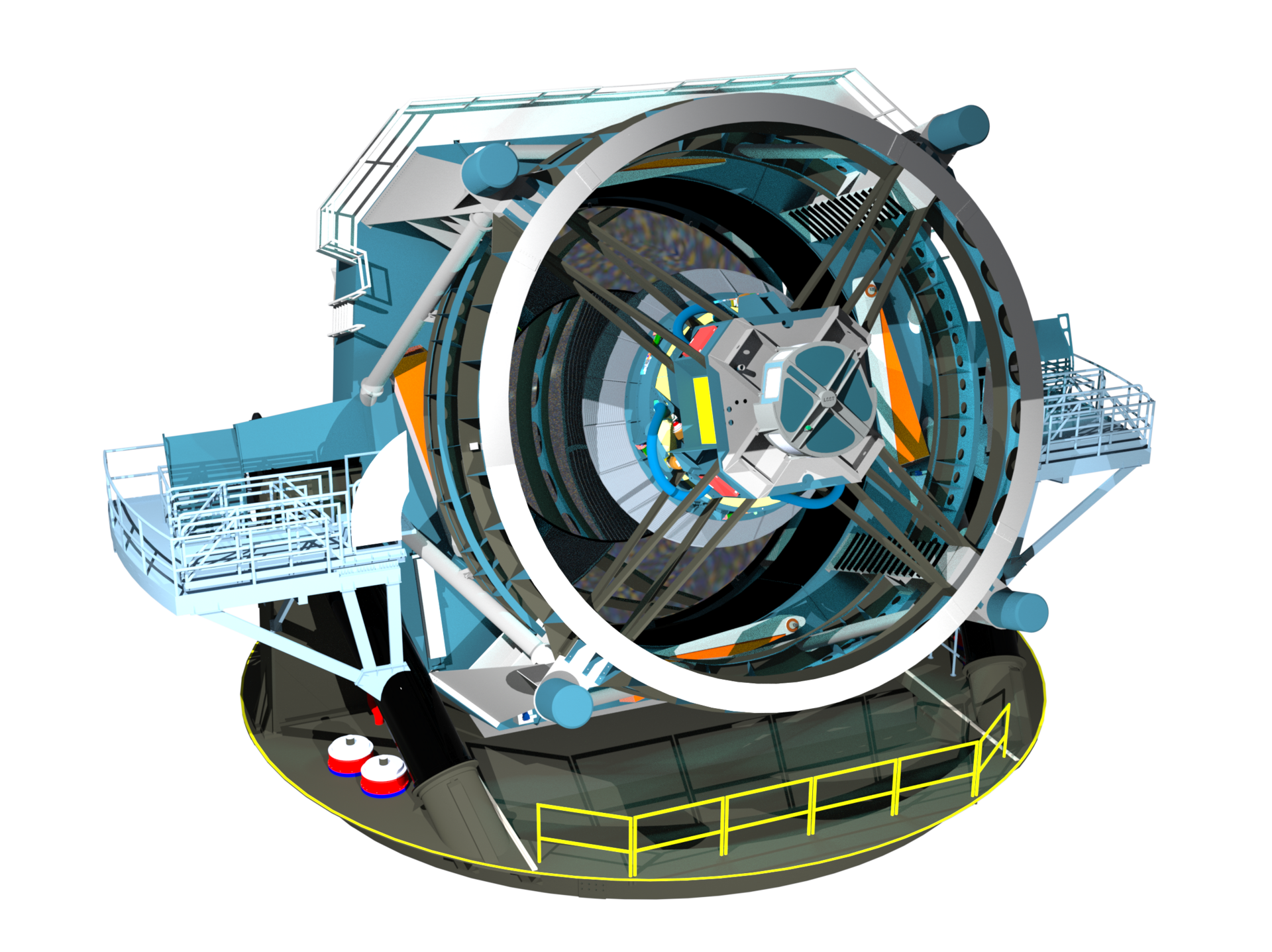
A practical route from Rubin alerts to useful amateur follow-up.
By Rick Wood · Updated July 16, 2026Observatory Watch · Published archive
How Rubin turns difference images into a live map of a changing sky.
By Rick Wood · Updated July 16, 2026Field Guide · Published archive
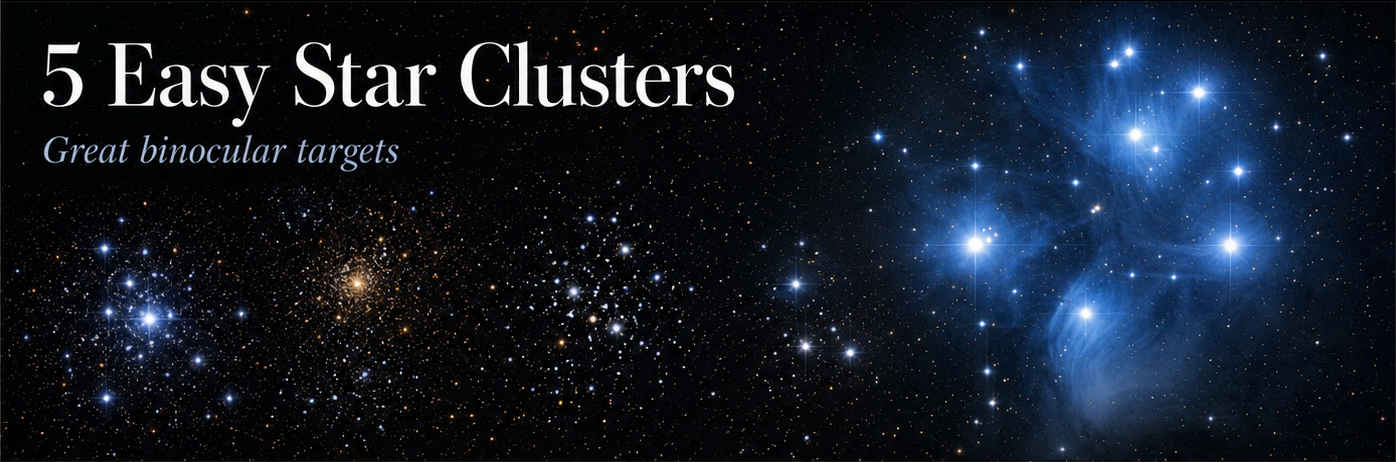
Five star clusters with wide-field payoff for binocular observers.
By Rick Wood · Updated July 16, 202605 · The Milky Way
thousands–100,000 light-yearsRead our galaxy as a system of clusters, dust, motion, and hidden physics.
Cosmic Bytes · Published archive
Five bright Messier targets and the star hops that make them findable.
By Rick Wood · Updated July 16, 202606 · The Local Group
millions of light-yearsStep beyond the Milky Way into the small family of galaxies around it.
07 · The Nearby Universe
tens of millions of light-yearsGalaxies gather into the first structures of the larger cosmic web.
08 · The Distant Universe
hundreds of millions of light-yearsClusters and black holes reshape space on scales that resist intuition.
Deep Dives · New story
A clear line between pressure waves, X-ray images, and sonification.
By Rick Wood · Updated July 16, 202609 · The Edge of the Observable
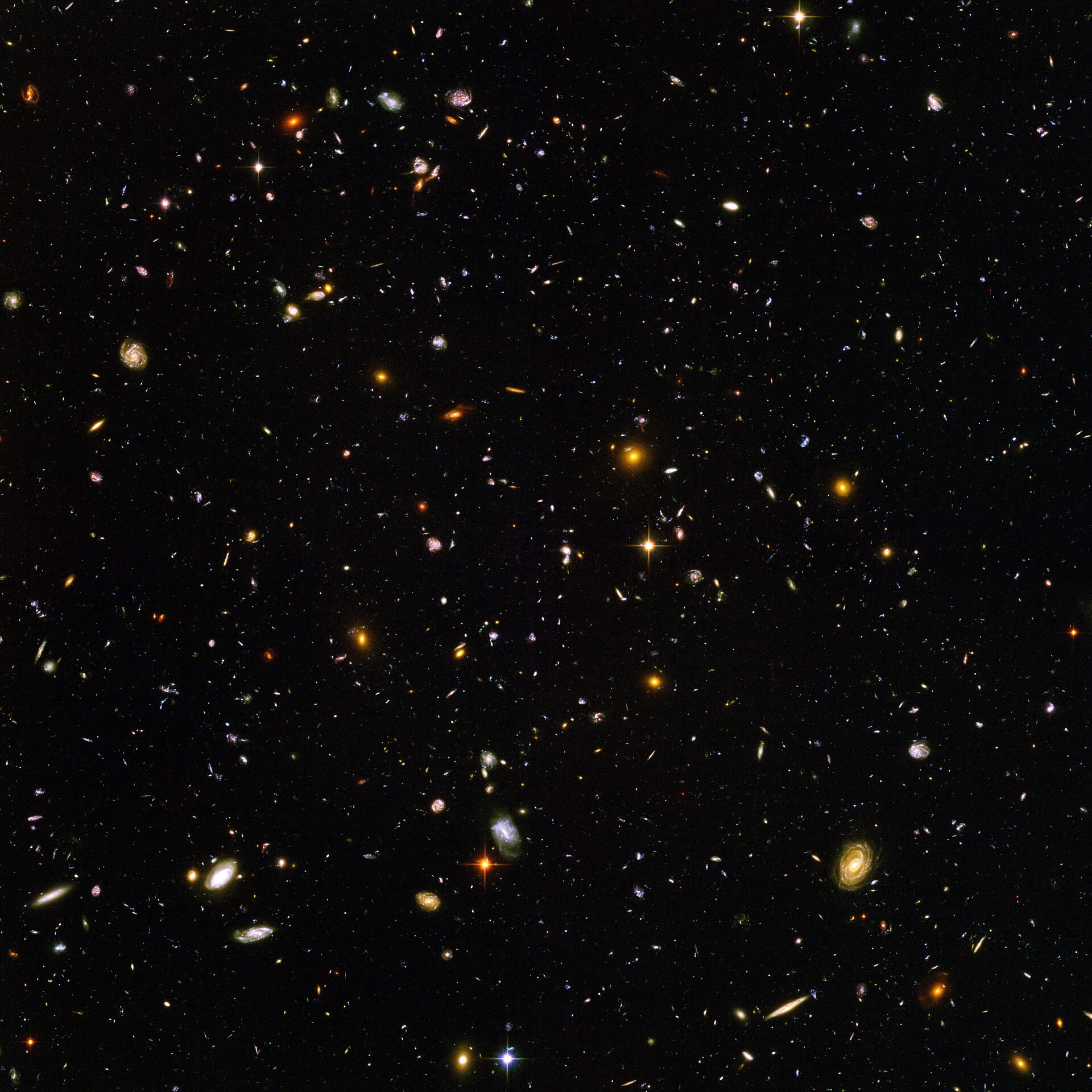
billions of light-yearsLook back across most of cosmic history toward the earliest galaxies we can resolve.
10 · The Beginning of Time
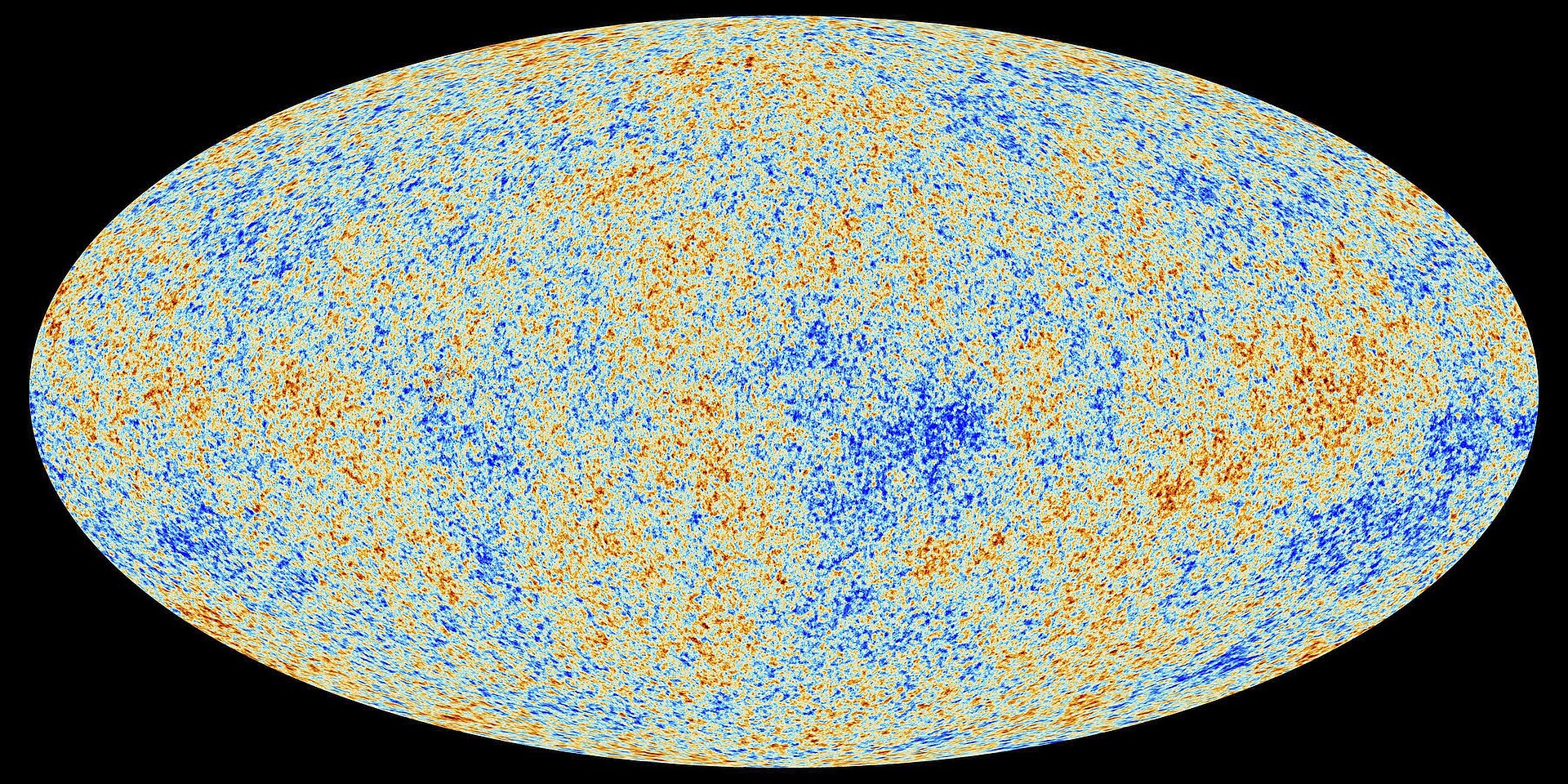
~13.8 billion light-years · CMBReach the oldest light and the boundary between observation and origin story.
Deep Dives · Published archive
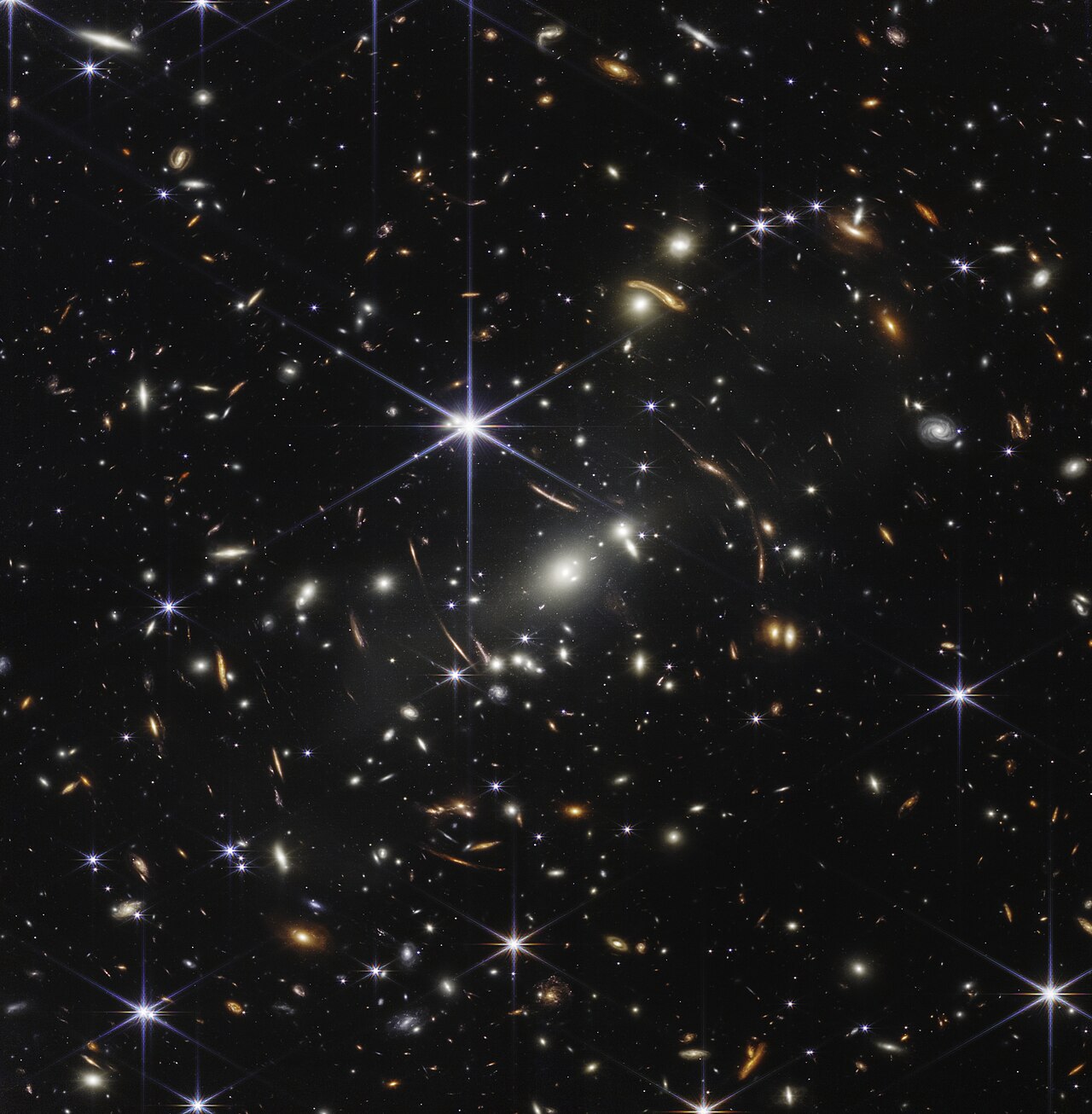
Webb found bright, massive-looking galaxies surprisingly early in cosmic history.
By Rick Wood · Updated July 16, 2026