The answer first
Chandra observed ripple-like features in hot gas around the Perseus Cluster’s central galaxy. Those variations are consistent with sound waves driven by black-hole activity.
NASA shifted the inferred note upward by 57 octaves and mapped data into audio. The result preserves scientific structure, but it is not a microphone recording.
The idea that changes the view
Space is silent only where there is no medium to carry pressure.
What most explanations leave out
The black hole itself is not a speaker. Jets and outbursts disturb surrounding gas.
Evidence and named signals
- X-ray brightness traces hot intracluster gas.
- Ripple spacing constrains the pressure wave.
- The wave energy can help offset gas cooling.
What remains uncertain
Sonification choices affect the audible rendering even when the underlying measurements are real.
Why it matters—or what you can observe
The sound carries energy, linking a central black hole to the thermal history of an entire cluster.
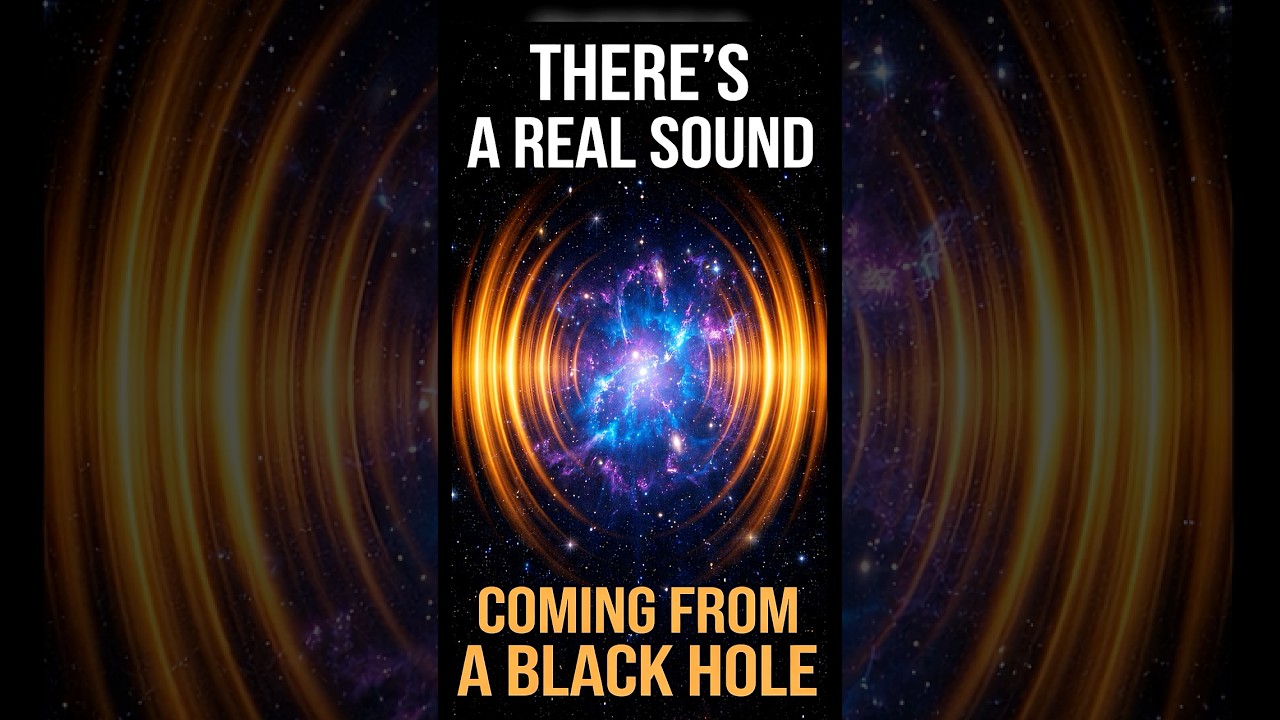
Related StarPixels video · 1:31
There’s a Real Sound Coming From a Black Hole
Space can carry sound when it contains enough gas—and one cluster has been resonating for billions of years.
Open the video companionFurther reading and primary sources
- Chandra Perseus sonificationSource checked 2026-07-16
As an Amazon Associate I earn from qualifying purchases. If you buy through an active affiliate link, StarPixels may earn a commission at no additional cost to you.