01
Naked eye · light-seconds → light-hours
Begin with the Moon and bright planets
Find the brightest anchor first. Let your eyes adapt, notice phase and position, then identify one neighboring constellation.

Observe tonight
Naked eye · light-seconds → light-hours
Find the brightest anchor first. Let your eyes adapt, notice phase and position, then identify one neighboring constellation.
Binoculars · hundreds → thousands of light-years
Brace your elbows and sweep slowly for an open cluster, a broad star field, or the bright core of a seasonal nebula.
Telescope · millions of light-years
Choose one galaxy appropriate to the season and aperture. Expect a subtle shape and spend time with the view before changing magnification.
Open the full session planner →
Tonight’s five-minute plan
Field guides and logs
Field Guide
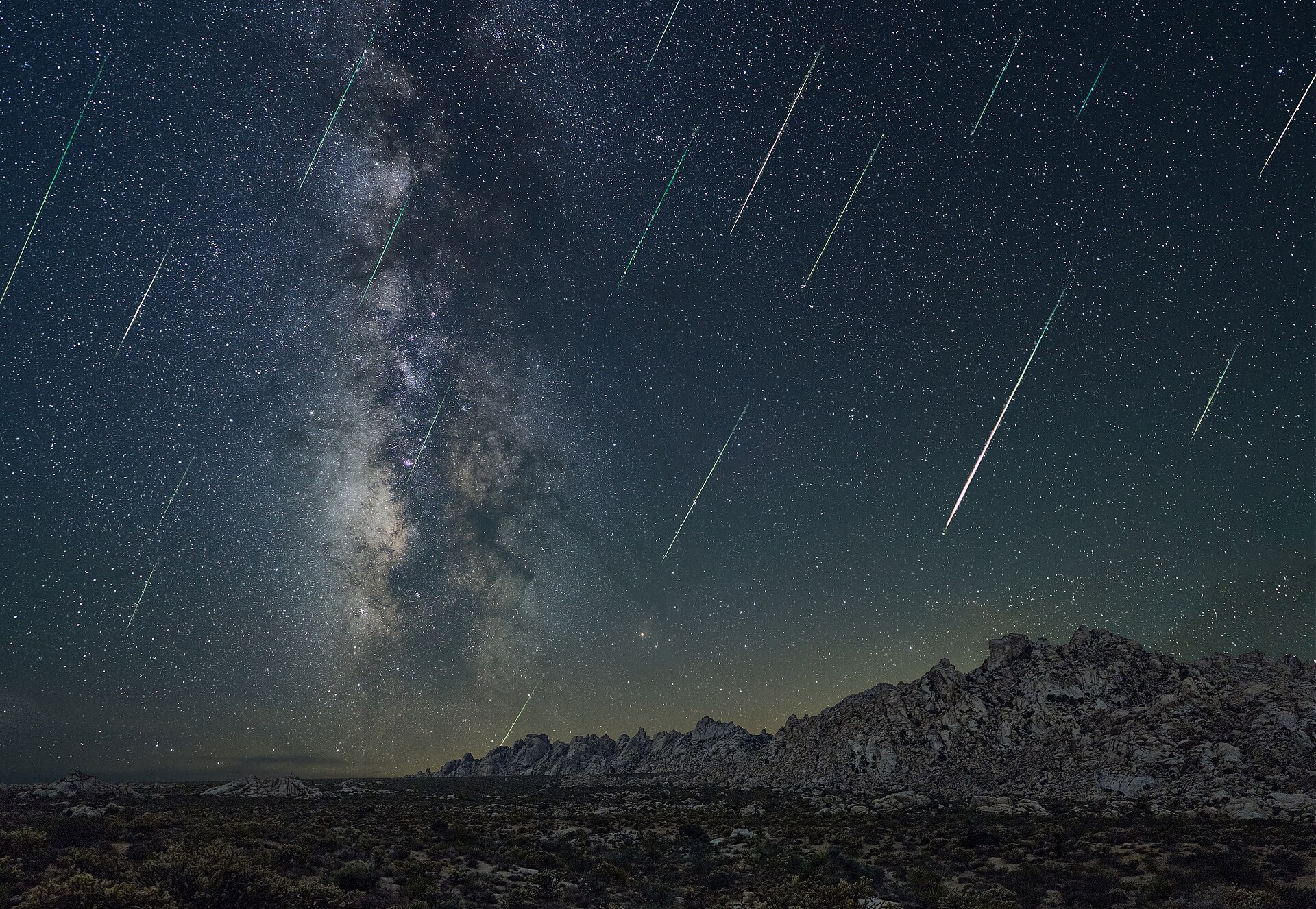
Every major meteor shower in 2026 — peak dates, expected rates, moon interference, and viewing tips. From the Quadrantids to the Geminids, here's when to look up.
By Rick Wood · Published July 24, 2026Current sky events are location- and date-dependent. Verify dates with a current planetarium or observatory source.