The classroom poster gets it wrong on every level.
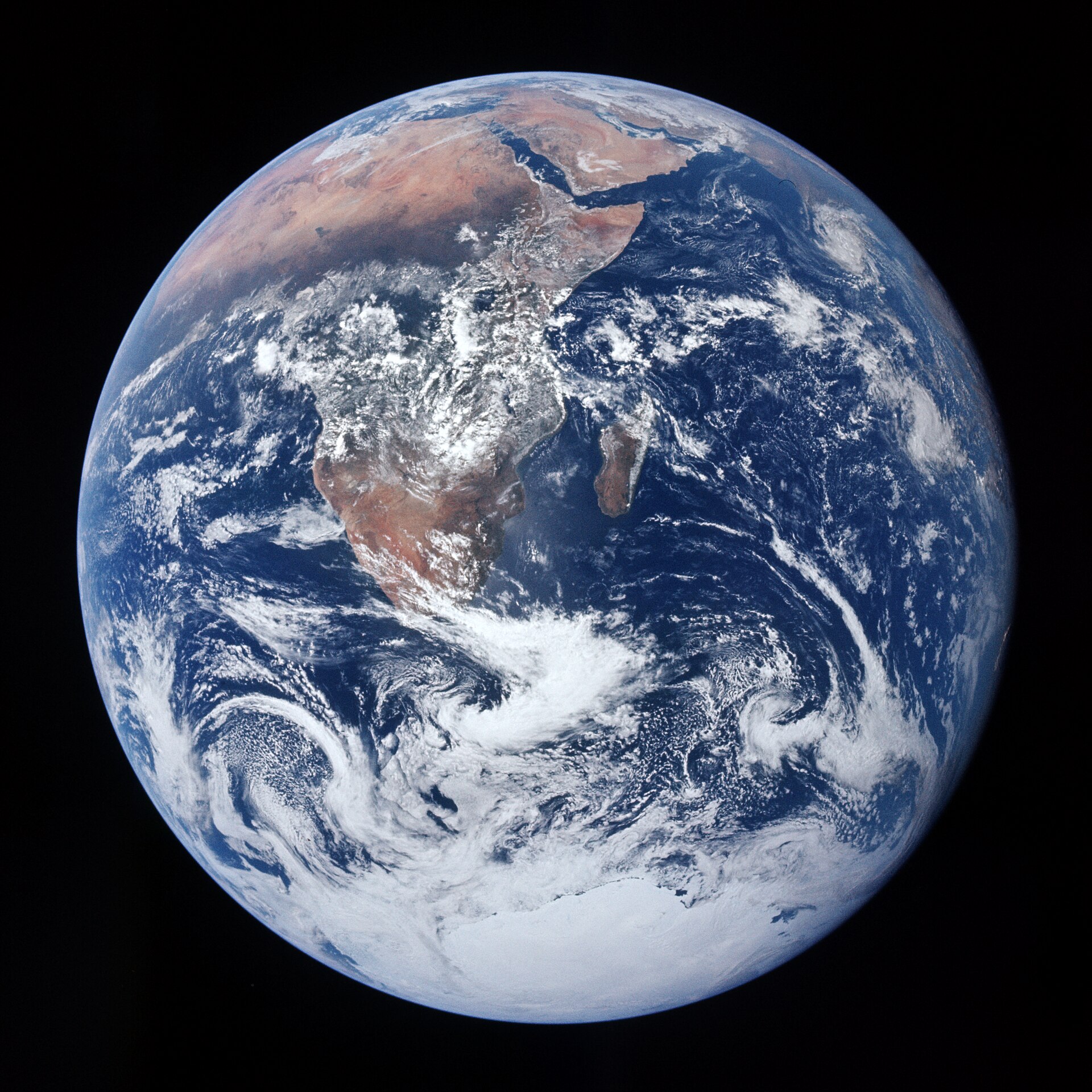
You were handed a picture of Earth as a calm blue marble sitting in a neat line of planets. The normal one. The safe one. The starting point.
That poster is a lie.
You Have Never Been in the Same Place Twice
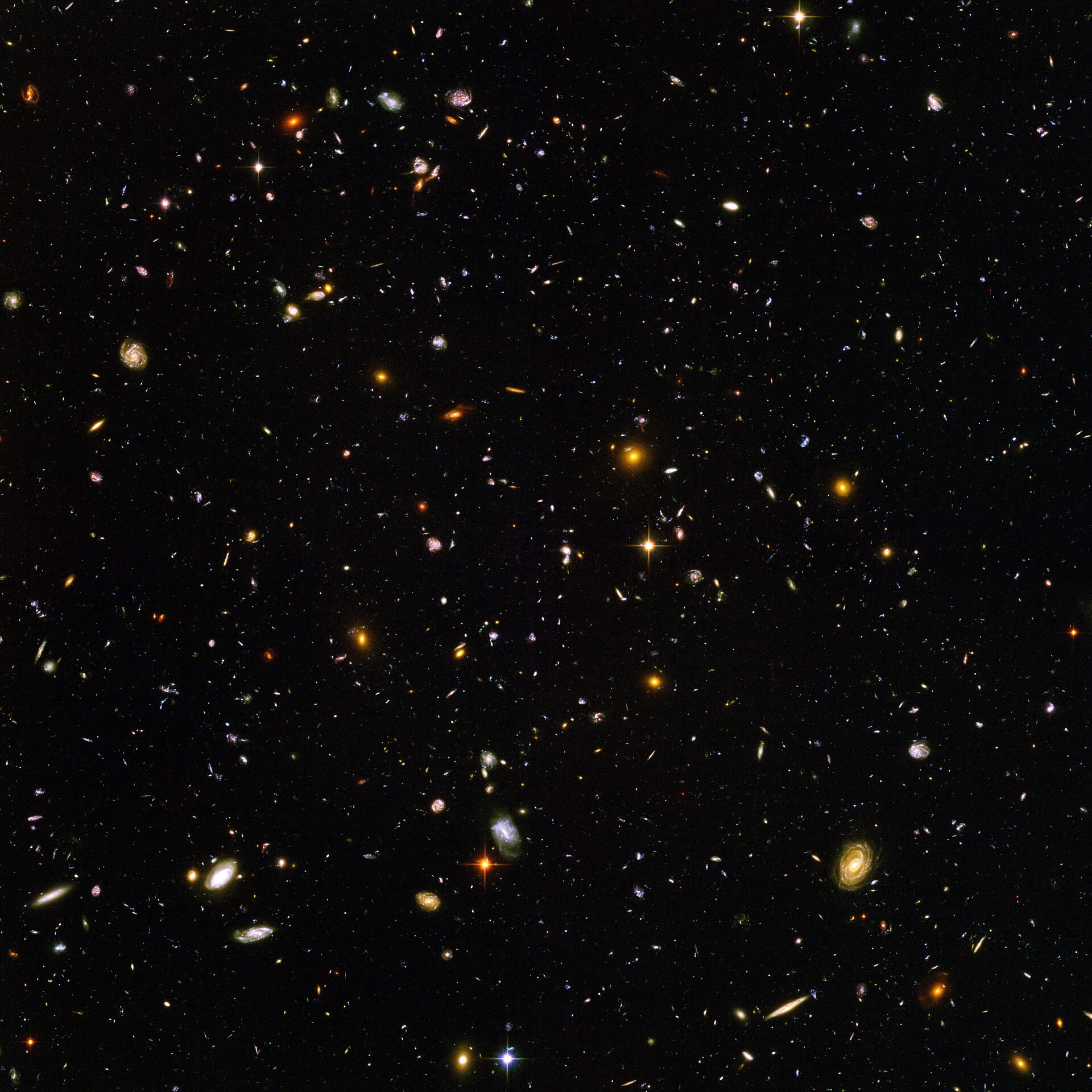
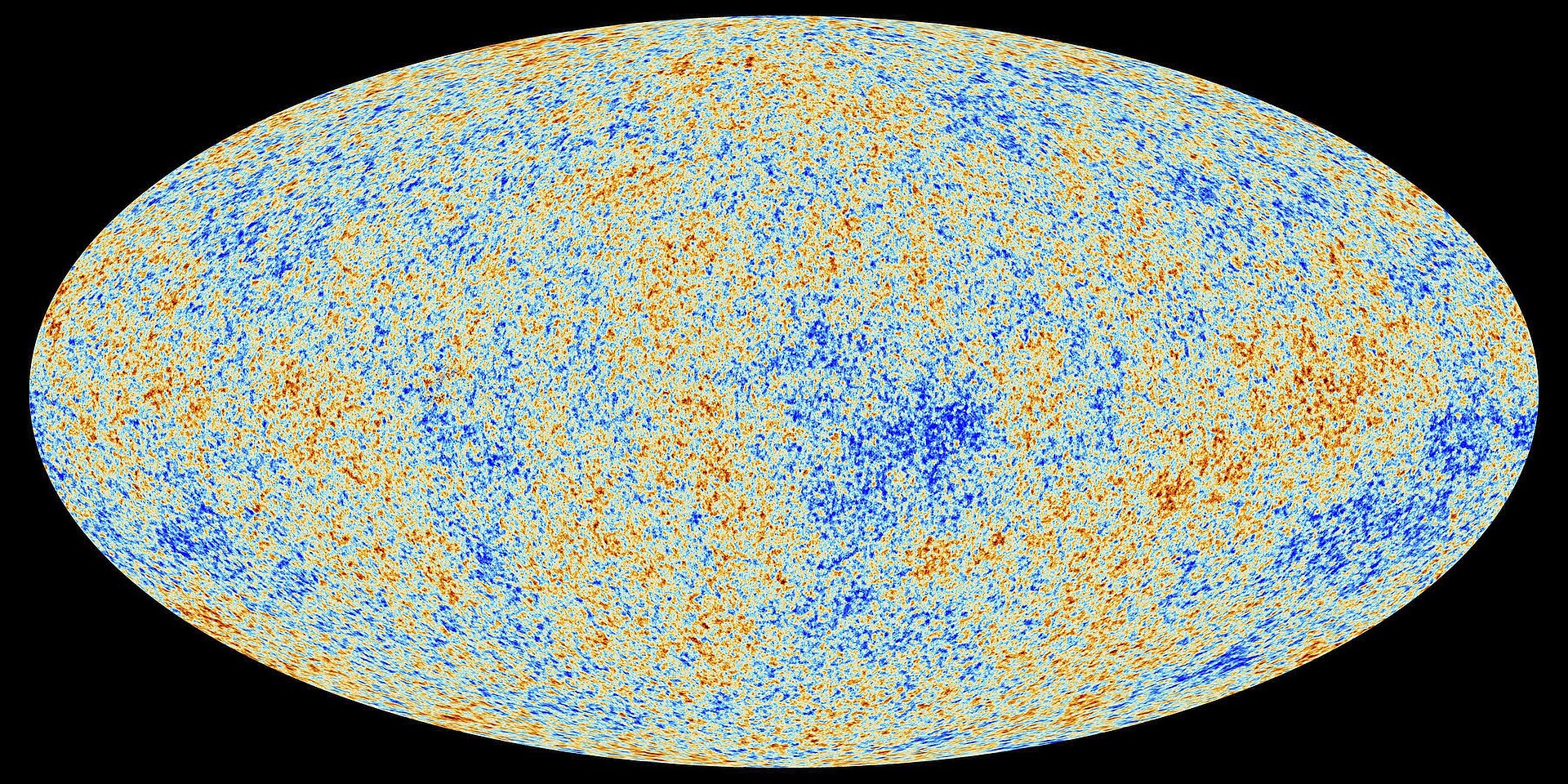
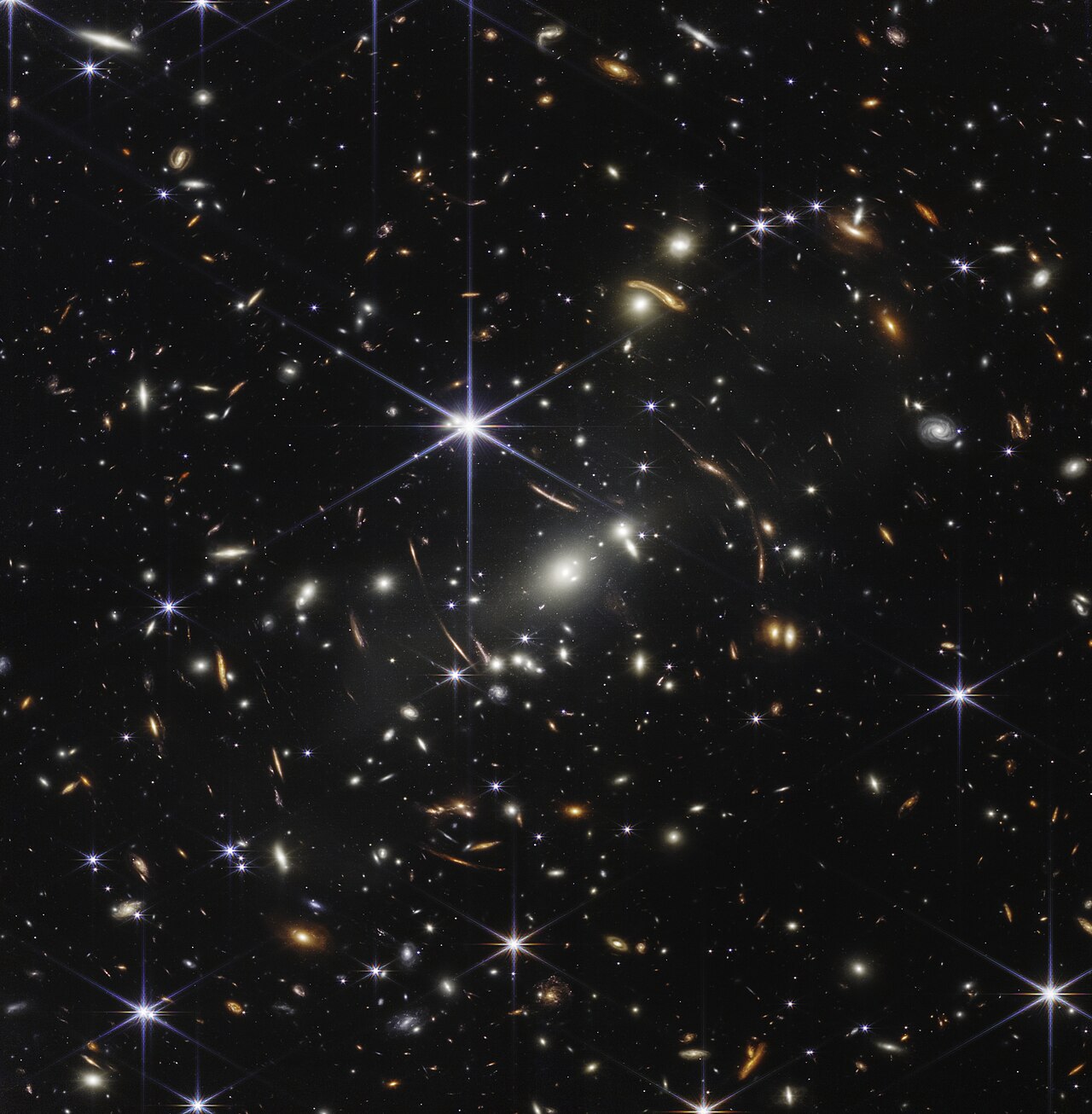
Earth is a wet rock doing67,000 miles per houraround a nuclear furnace. The whole solar system drags it through the galaxy at overhalf a million miles per houron top of that. Right now, you're moving a thousand miles an hour just from the planet turning. Racing around the Sun. Surfing a spiral arm of the Milky Way.
The spot you're sitting in right now — already gone.
There's no standing still. There never was.
Earth Learned to Shoot Back
For four and a half billion years, Earth just took the hits. Whatever fell inward, fell inward. Nobody shot back.
Until 2022.
NASA aimed a spacecraft at Dimorphos — a small asteroid moon about 560 feet wide — andslammed into it at 14,000 miles per hour. Deliberately. The impact changed Dimorphos's orbit by half an hour. For the first time in Earth's history, life on this planet didn't just notice a threat from space.
It moved one.
Every day, about a hundred tons of cosmic dust and gravel hits our atmosphere. Most of it burns up before anyone notices. Astronomers track more than40,000 near-Earth asteroids. Some are city-sized. Some are the kind of thing that would rearrange the map.
An Invisible Shield You Can't See
The Sun throws amillion-mile-per-hour stormof charged particles at us, all the time. If Earth didn't have a magnetic field, that wind would strip our atmosphere into space.
Mars already lost that fight.
We're still here because deep below your feet,molten iron is churning around the core, turning the whole planet into a dynamo. That dynamo builds a magnetic shield tens of thousands of miles wide. It deflects the solar wind around the planet. On the night side, it stretches into a tail that reaches past the Moon.
Every green ribbon, every curtain of light — that's the shield getting hit. And holding.
The Day Is Getting Longer
The Moon raises tides, the tides drag against Earth's spin, and that friction is quietly braking the planet. Lasers bounced off Apollo-era retroreflectors show the Moon retreating about 3.8 centimeters per year, while Earth's rotation slows by roughly 1.5 milliseconds every century. Run that backward, and a day on the young Earth lasted about six hours.
The Shield Flips
Earth's magnetic field reverses — north and south trade places — on a wildly irregular schedule. The last full flip, the Brunhes–Matuyama reversal, happened about 780,000 years ago. The poles also wander: magnetic north has been sprinting toward Siberia at more than 50 kilometers per year.
The Dent in the Shield
Over South America and the South Atlantic, the inner edge of Earth's radiation belts dips abnormally close to the surface. The Hubble Space Telescope stops taking data. The International Space Station powers down sensitive electronics when they cross it. Your invisible force field comes with a documented dent.
A Sun-Hot Iron Heart
Earth's inner core is a ball of solid iron and nickel roughly the size of Pluto, sitting at about 5,200°C — nearly as hot as the surface of the Sun. It stays solid only because the pressure down there is over three million times what it is at the surface.
The Map Has an Expiration Date
Earth is the only world we know of with active plate tectonics. The continents are moving right now, about as fast as your fingernails grow. Two hundred million years ago they were locked together in a single supercontinent, Pangaea.
The Dial That's Always Turning
Earth's orbit stretches and relaxes over about 100,000 years. The axis tilts between roughly 22° and 24.5° over 41,000 years. The whole planet wobbles like a spinning top over about 26,000. These are the Milankovitch cycles — a main pacemaker of the ice ages.
The Ocean Inside the Rock
In 2014, scientists studying a diamond from Brazil found a trapped mineral called ringwoodite that was about 1% water by weight — forced up from 400–700 kilometers down. If that's typical, there may be as much water locked inside the rock beneath your feet as in every surface ocean combined.
Not the Safe Center
Earth isn't the safe little center of the story. It's a fragile spacecraft with oceans, weather, a molten engine underneath, and a magnetic shield wrapped around the hull. And every living thing you've ever known is riding on it.
Sources & Credits
- NASA Blue Marble / Apollo 17 / DSCOVR EPIC
- NASA/JHUAPL DART / DRACO / LICIACube / Hubble / Webb
- NASA ISS / ESA astronaut photography (aurora)
- NASA SDO / MAVEN
- ESA Gaia (galactic motion data)
- Apollo lunar retroreflectors
- NASA Van Allen Probes / Explorer 1
Watch the full video onStarPixels YouTube.
As an Amazon Associate I earn from qualifying purchases. If you buy through an active affiliate link, StarPixels may earn a commission at no additional cost to you.