StarPixels Focus
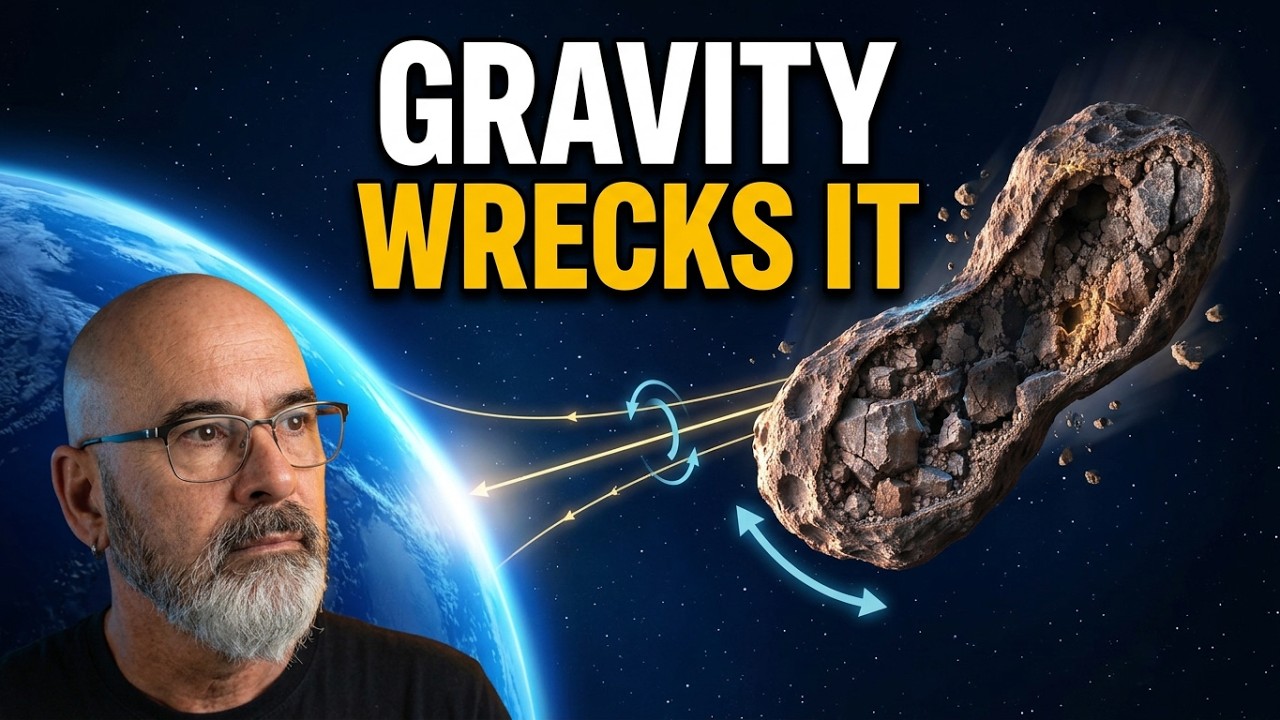
What Earth Does to Apophis on April 13, 2029
On April 13, 2029, Apophis passes 20,000 miles above Earth. It will miss — the real story is what Earth does to the asteroid.

Read StarPixels
The latest StarPixels stories in StarPixels Focus.
StarPixels Focus
On April 13, 2029, Apophis passes 20,000 miles above Earth. It will miss — the real story is what Earth does to the asteroid.
StarPixels Focus
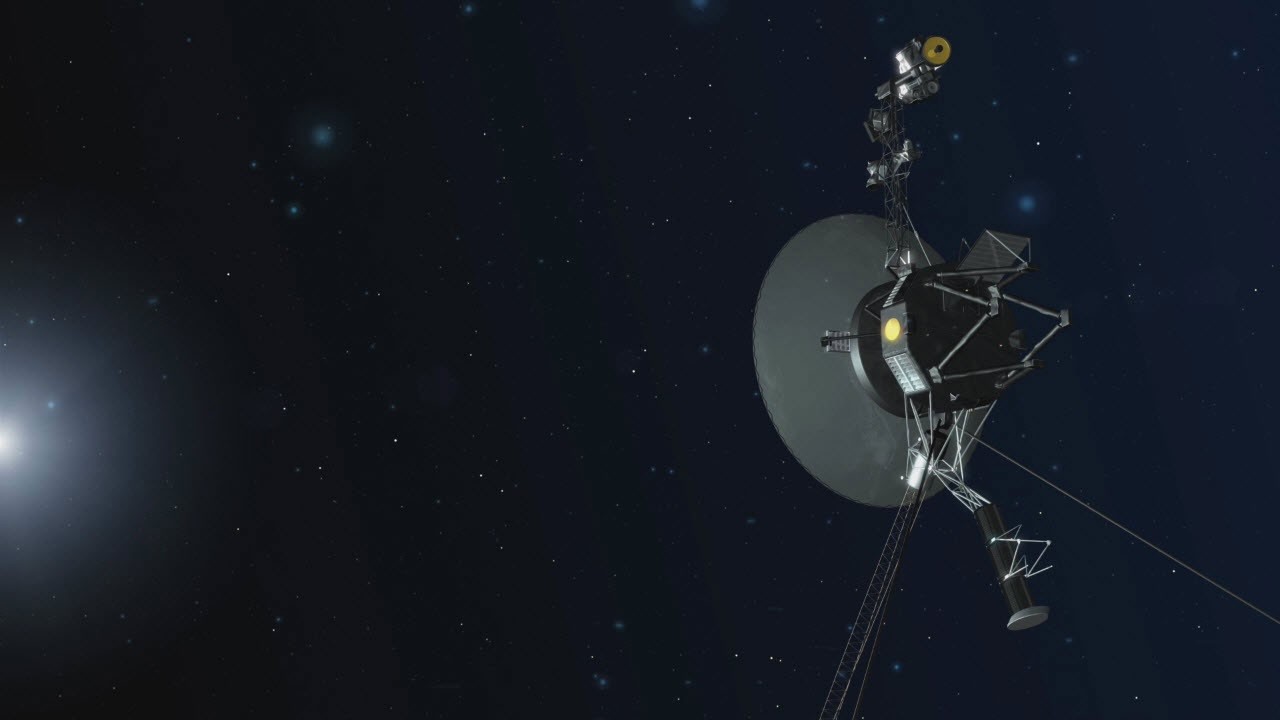
On Wednesday morning, November 18, 2026, Voyager 1 becomes the first human-made object to sit one full light-day from Earth. At 5:16:07 a.m. Eastern Time, 4:16 a.m. Central, the spacecraft crosses 16.094 billion miles from home. A radio signal leaving Earth on that morning takes a full day to reach it, and any answer takes another full day to come back.
StarPixels Focus
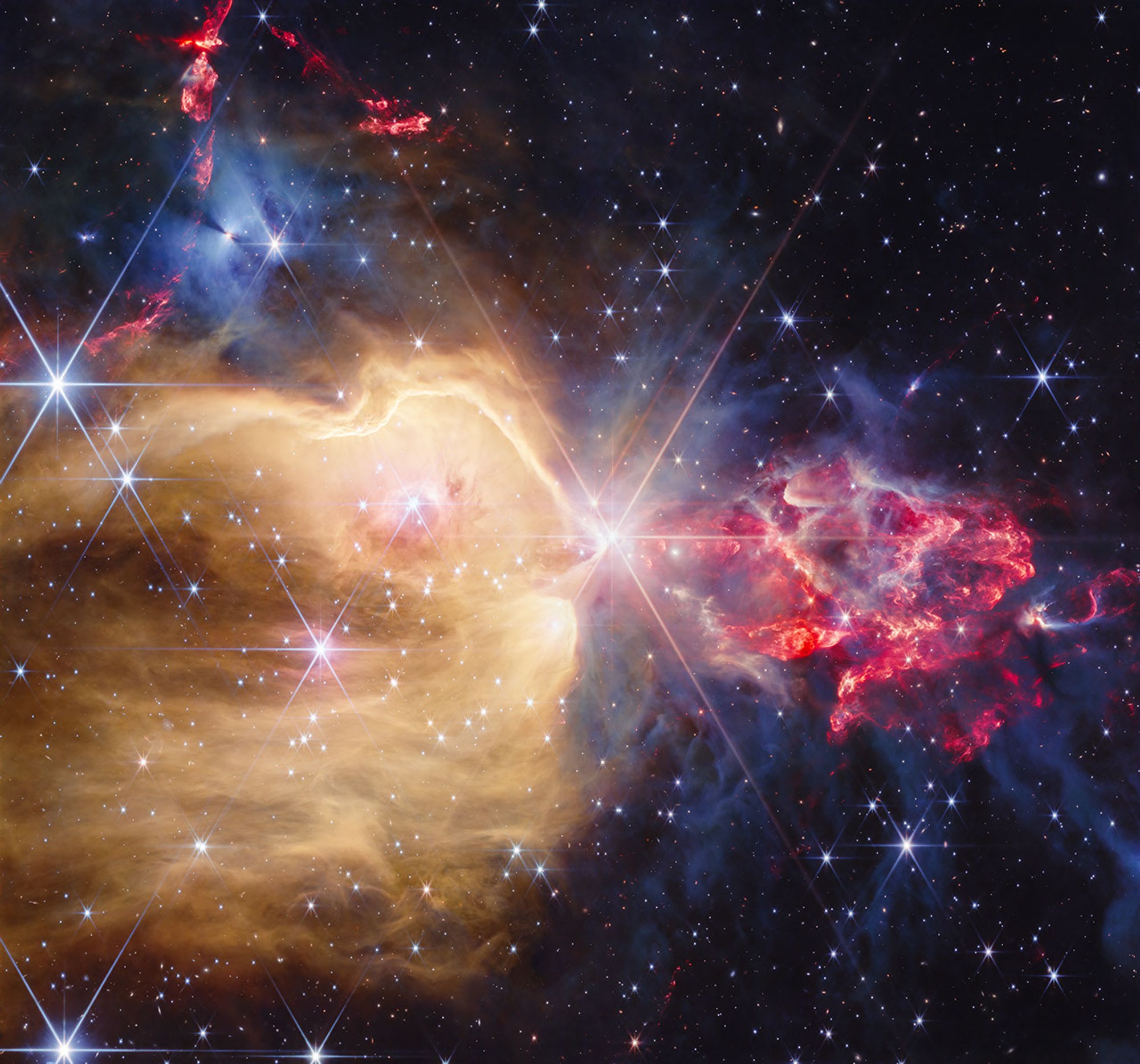
NASA's Astronomy Picture of the Day for November 16, 2026 features a James Webb Space Telescope view of NGC 7129, a stellar nursery about 3,300 light-years from Earth in the constellation Cepheus. The image was released by NASA, ESA and the Canadian Space Agency on October 6, 2026, and it shows stars at different stages of formation side by side: mature stars carving a golden cavity on one side, and protostars blasting red outflows on the other. The picture was taken with Webb's Near-Infrared Ca
StarPixels Focus
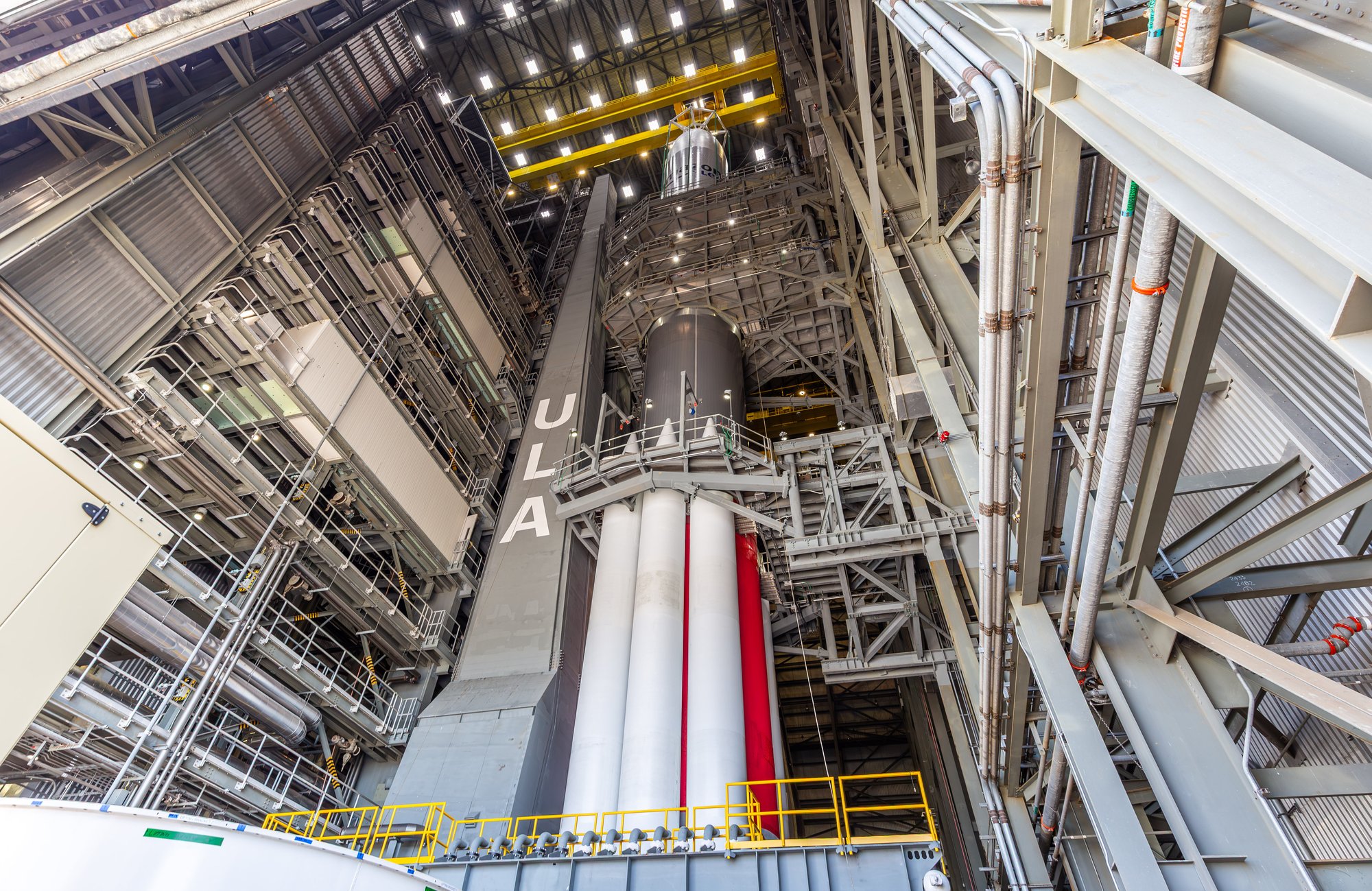
United Launch Alliance's Vulcan rocket failed on November 15, 2026, about 10 minutes after liftoff from Cape Canaveral Space Force Station in Florida, and the 40 Amazon Leo broadband satellites it carried never reached orbit. ULA confirmed the loss in a statement on November 15, 2026, saying the vehicle "suffered an anomaly 10 minutes into the flight and failed to deliver the Amazon mission to orbit." The flight, designated Vulcan Leo 1 or LV-01, was the first of 38 Vulcan missions Amazon has bo
StarPixels Focus
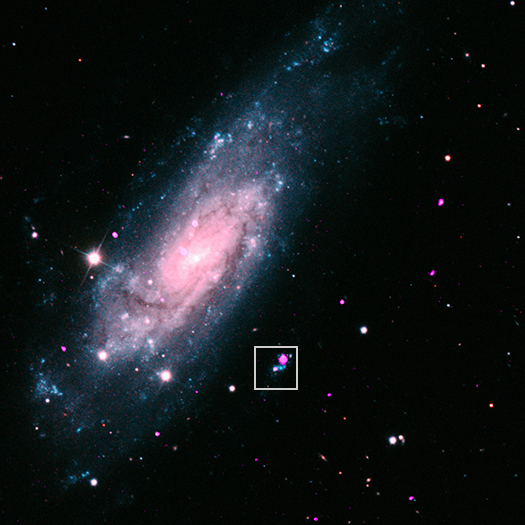
A giant star 30 million light-years away has flared like a supernova at least 27 times in 15 years — and survived every one. Chandra found the cause: a hidden black hole or neutron star tugging at it every 113 days.
StarPixels Focus
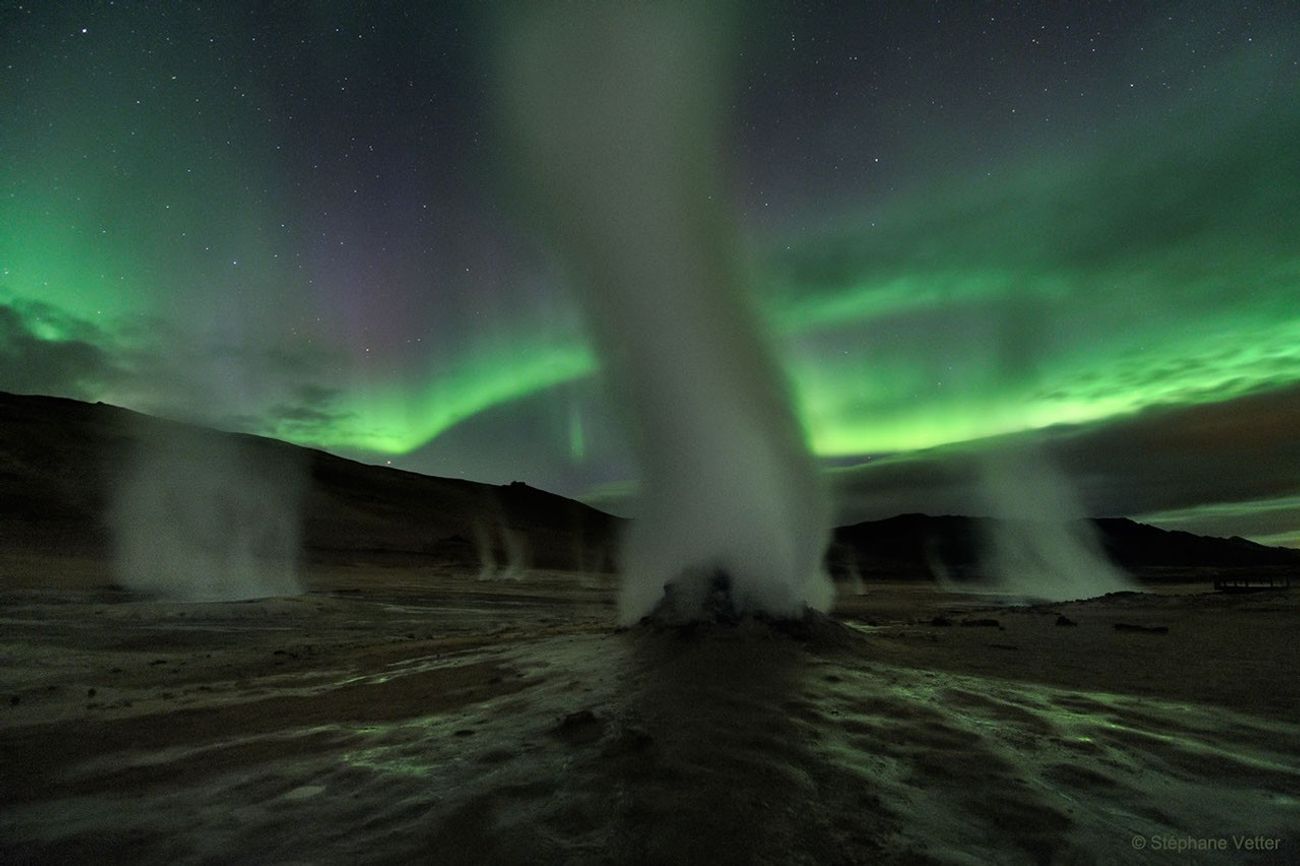
Eight stories from November 1, 2026: Swift comes home after 22 years, a decade of full Moons in colour, two Webb results from an interstellar comet, a green comet's last good pass until 2069, a lava world with a rock-cloud sunscreen, slow collisions building the first giant black holes, Mars meeting Jupiter before dawn, and Iceland's steam under the northern lights.
StarPixels Focus
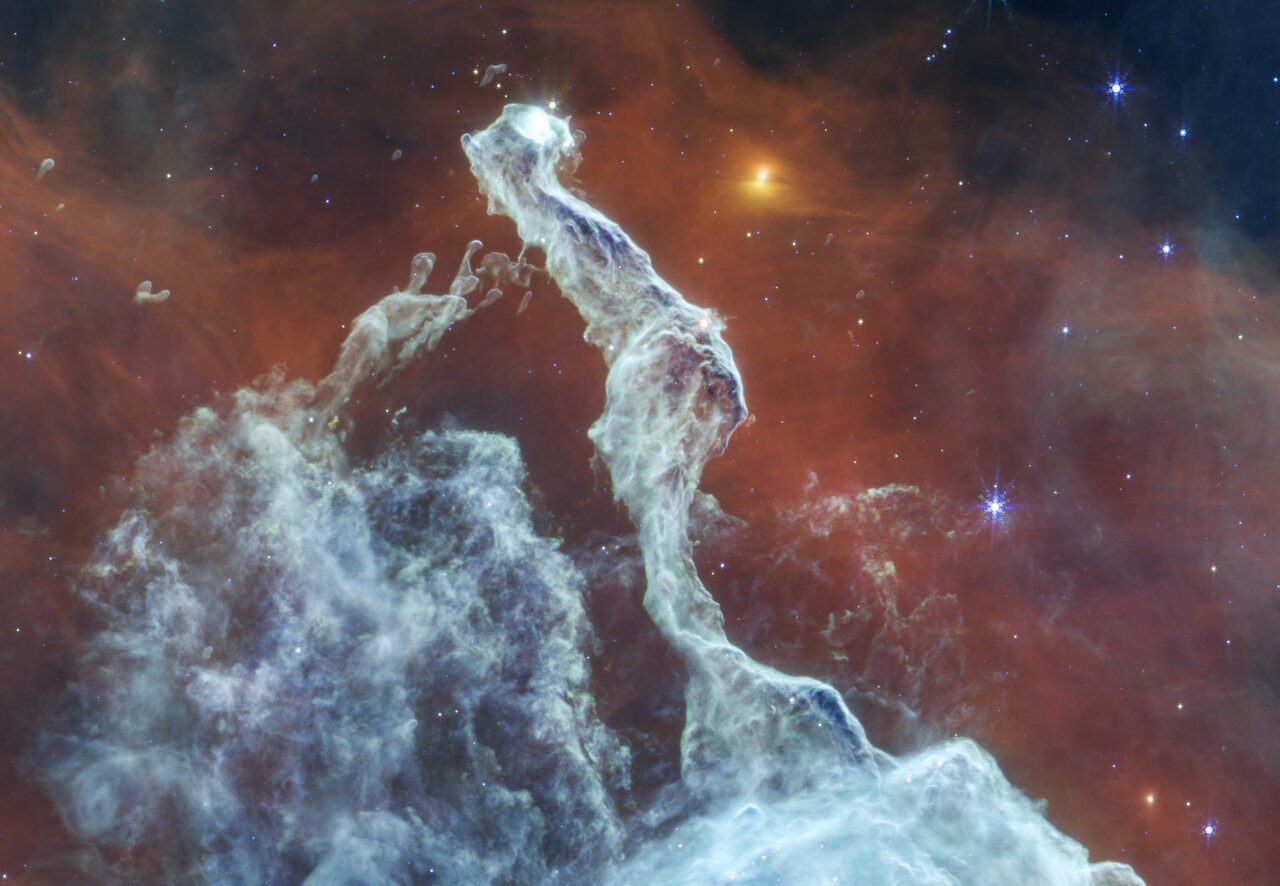
Six stories from October 31, 2026: a ghostly cat in the Carina Nebula seen by two great telescopes, a spacecraft's first step into the Trojan swarm, an interstellar comet's ice matching worlds beyond Neptune, a gas trail pointing to microquasar jets in another galaxy, and the Taurid fireballs to watch in early November.
StarPixels Focus
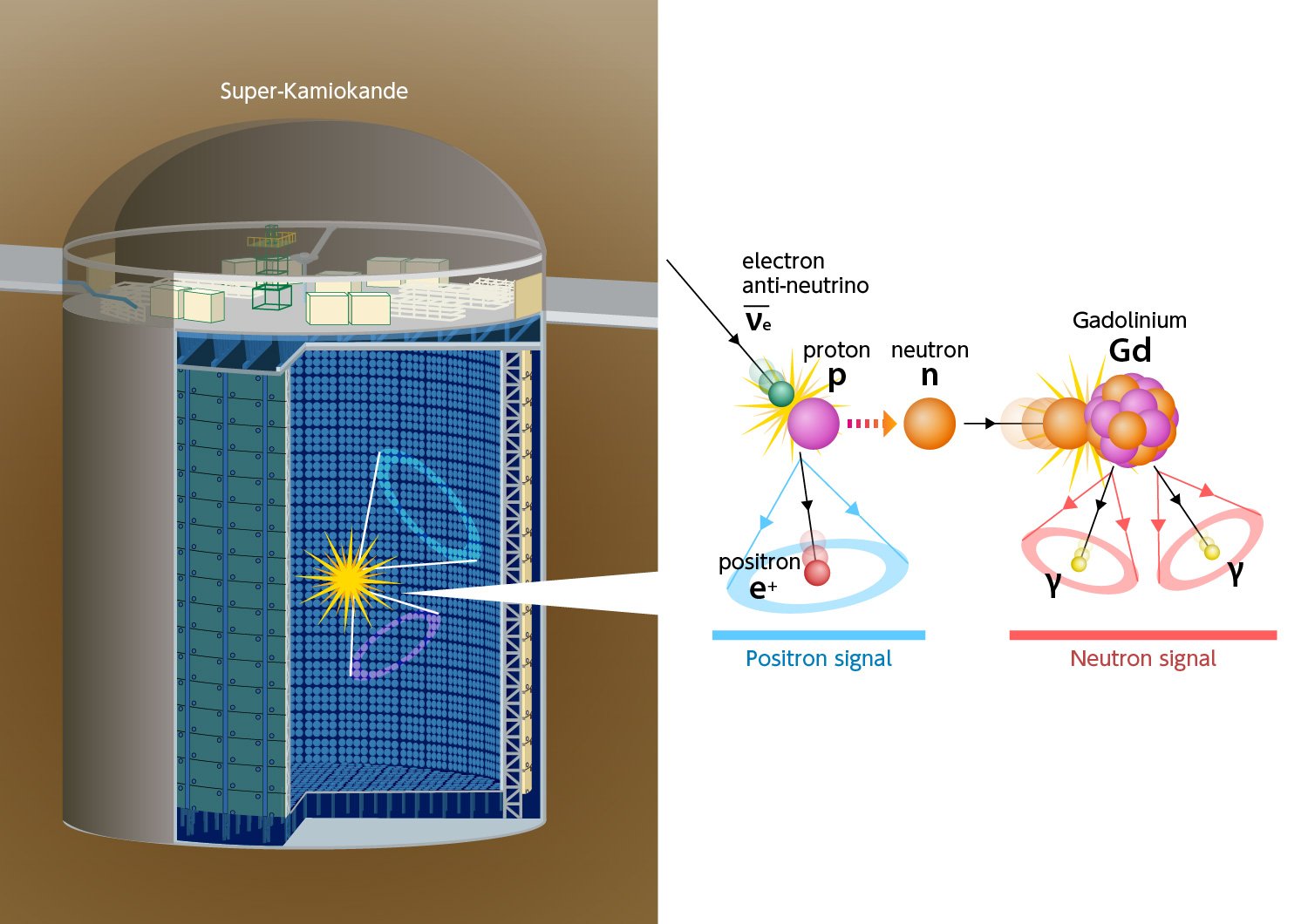
A detector buried a kilometre under Japan may have caught the faintest signal in neutrino physics: the combined whisper of every core-collapse supernova that has ever exploded, at 2.6 sigma.
StarPixels Focus
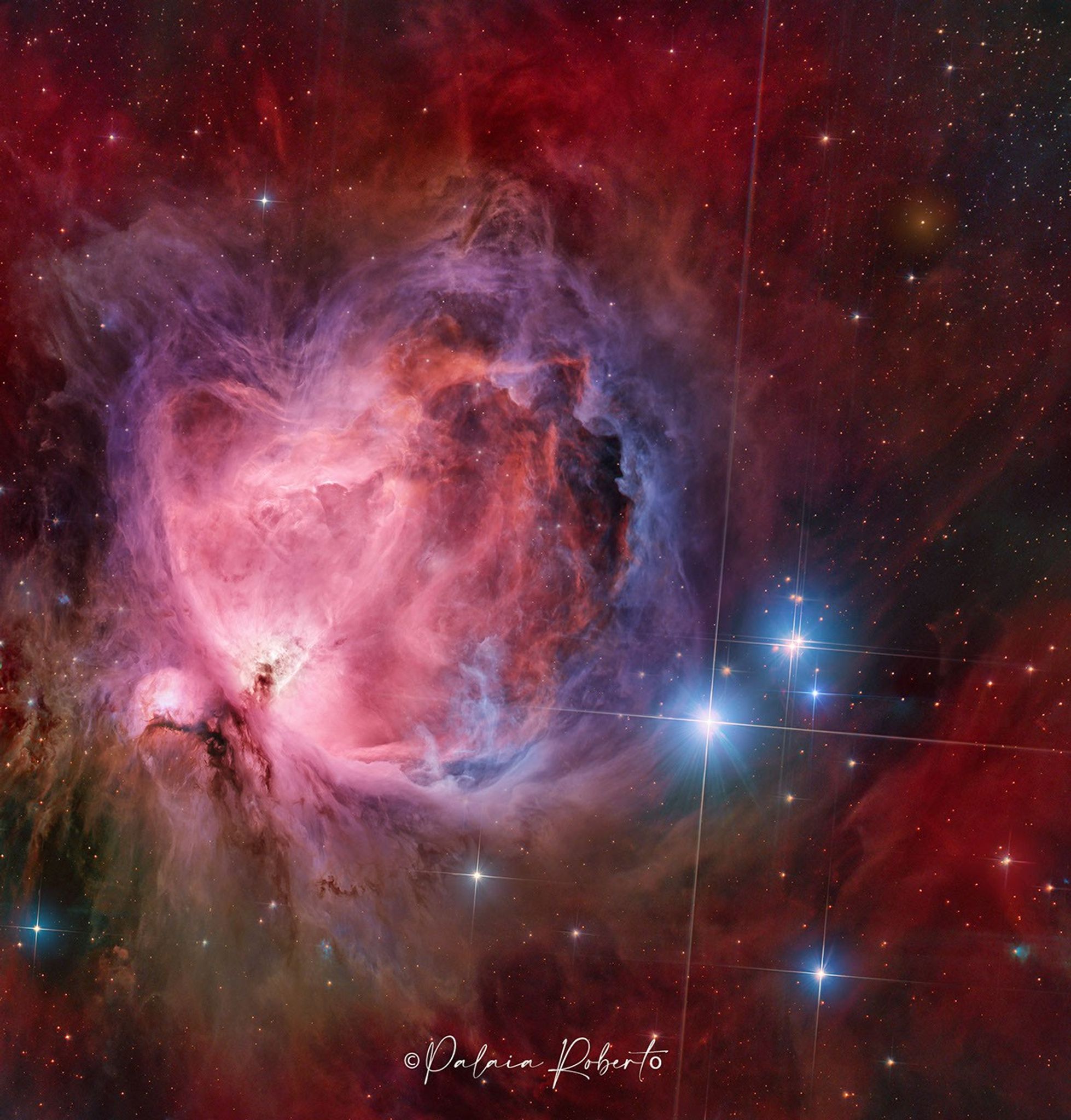
Eight stories from the week of October 20–31, 2026: Venus grew glowing horns, thirteen spooky targets stood above the horizon at midnight on Halloween, a spiral galaxy and its fleas rode high in Pegasus, Halley's dust put on its October show, Andromeda hugged the horizon in the southern spring, the Hunter's Moon lit up the last full weekend of October, the Orion Nebula glowed in a deep new portrait, and a SpaceX rocket painted a jellyfish across the dawn sky over Florida.
StarPixels Focus
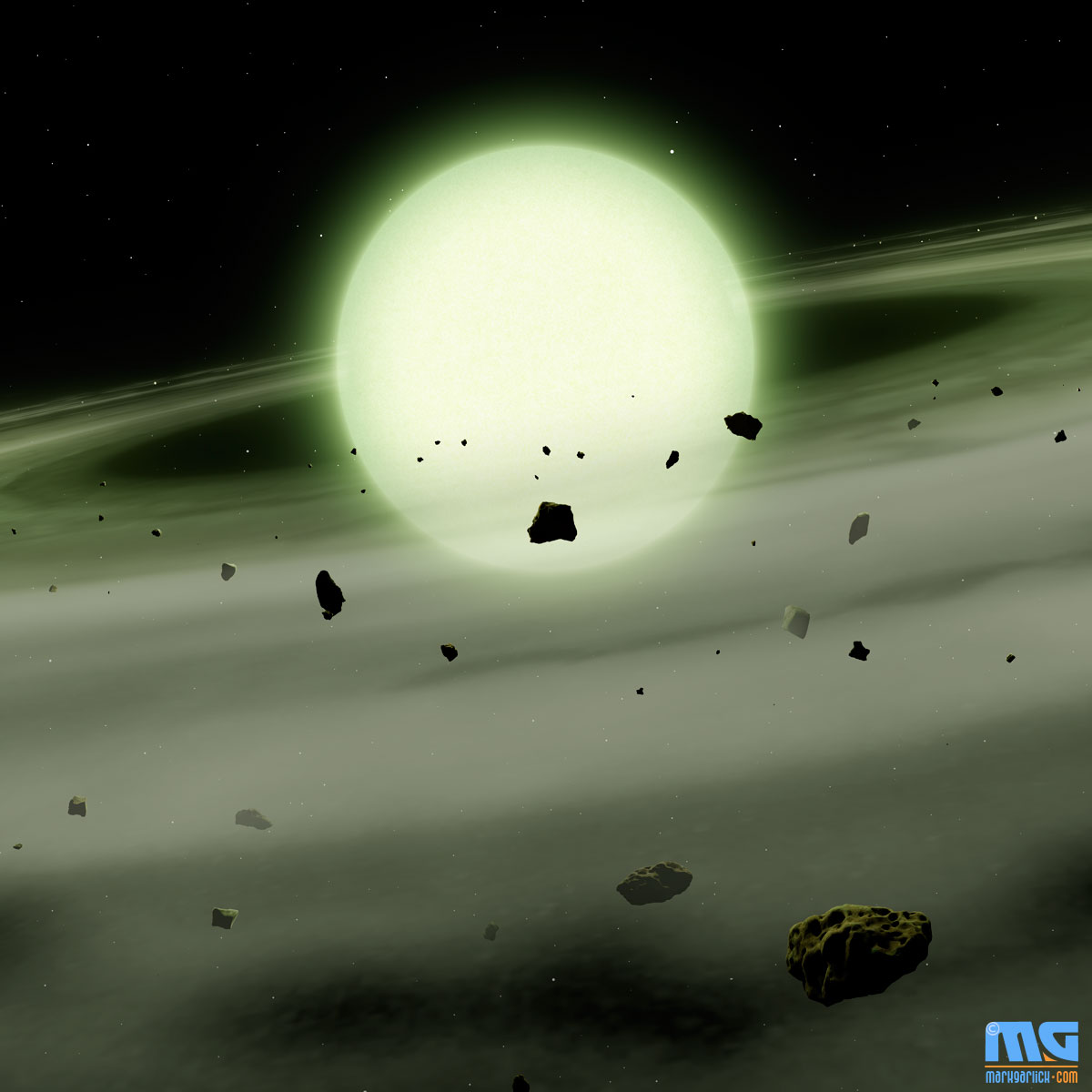
Nine stories from October 30, 2026: a planet that sets off its own star, a moon candidate circling a failed star, the first green star, a nova's 650-light-year hole, two rings around a dead star, the engine behind Kepler's wildest flares, metal-rich gas at the heart of the galaxy, hidden rings in the tiniest planet-forming disks, and a giant planet's first steps inside a cosmic hamburger.
StarPixels Focus
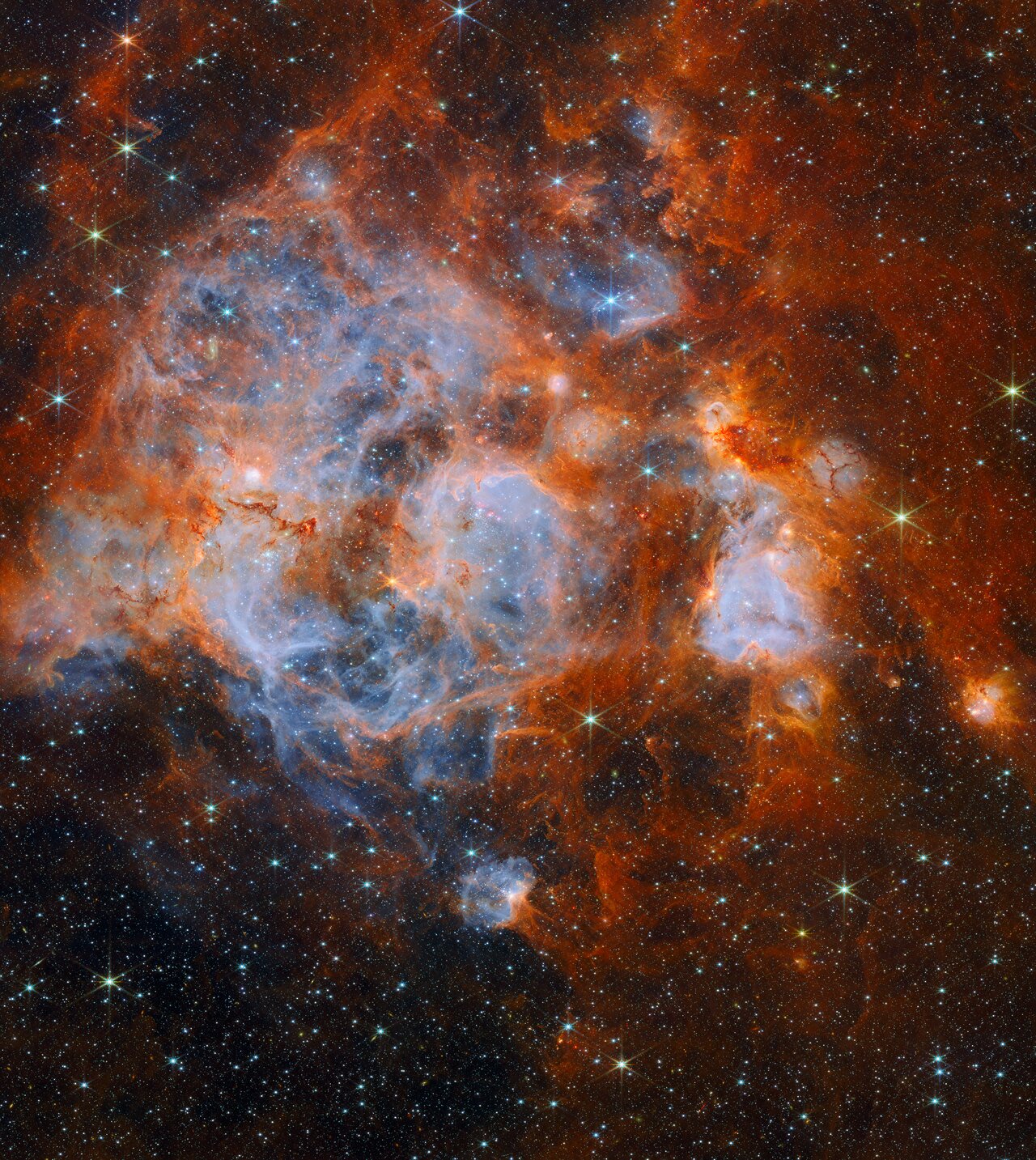
Nine stories from October 30, 2026, on galaxies, black holes, and the early universe: a galaxy that may leak most of its light into space, a dust-shrouded black hole already a billion suns heavy, nearly 3,000 supernovae nudging at dark energy, a gamma-ray burst watched from the side, two stellar nurseries caught in the act, a ghost cloud that is really a nursery, a radio structure shaped like a treble clef, and three new ghosts in Cassiopeia nobody can yet explain.
StarPixels Focus
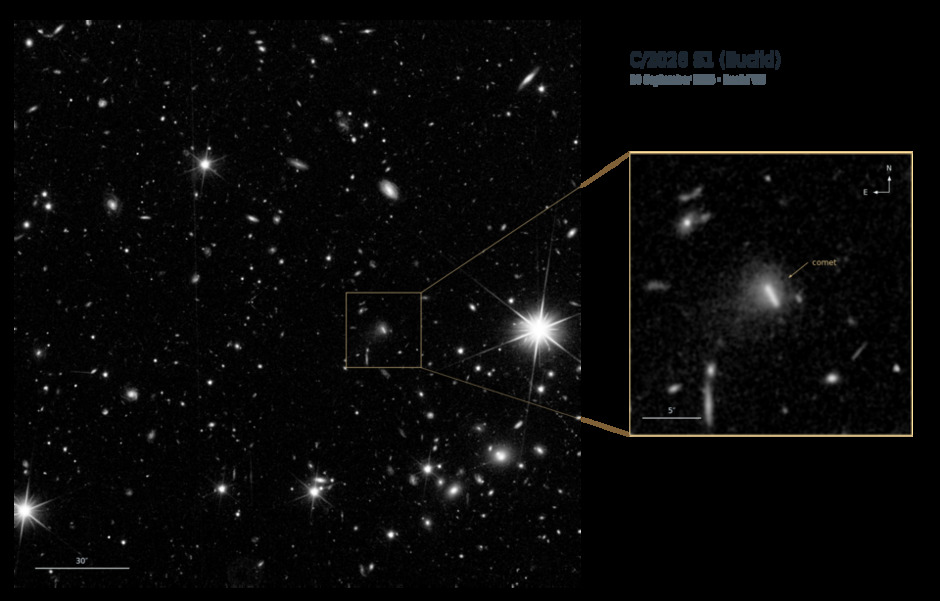
Nine stories from October 30, 2026: two asteroids that slipped past with almost no warning, Rubin's first dwarf planet candidate, Euclid's first comet, weather on the coldest brown dwarf, a case against comets seeding life, Japan's Mars-moons launch, and Hera's braking burns and first two-asteroid portrait.
StarPixels Focus
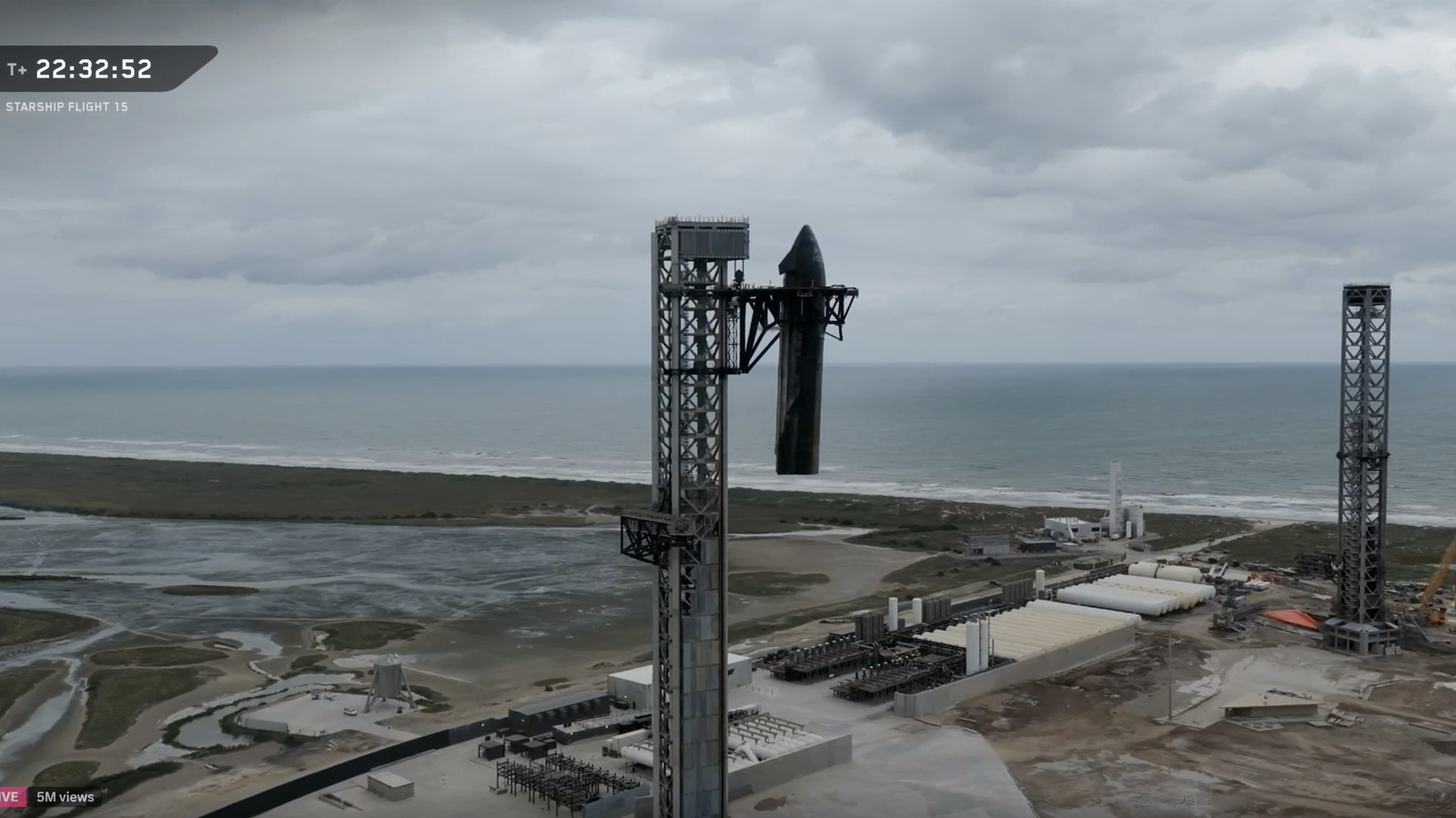
After more than 22 hours in orbit, SpaceX's Starship upper stage came home on Saturday, November 14, 2026, and slid into the launch tower's mechanical arms at Starbase, Texas — the first time anyone has caught an orbital-class rocket stage out of the sky and held it in one piece.

StarPixels Focus
Astronomers found the first white dwarf pulsing radio waves every eight minutes around a Sun-like star — a rare long-period transient 5,000 light-years away.
StarPixels Focus
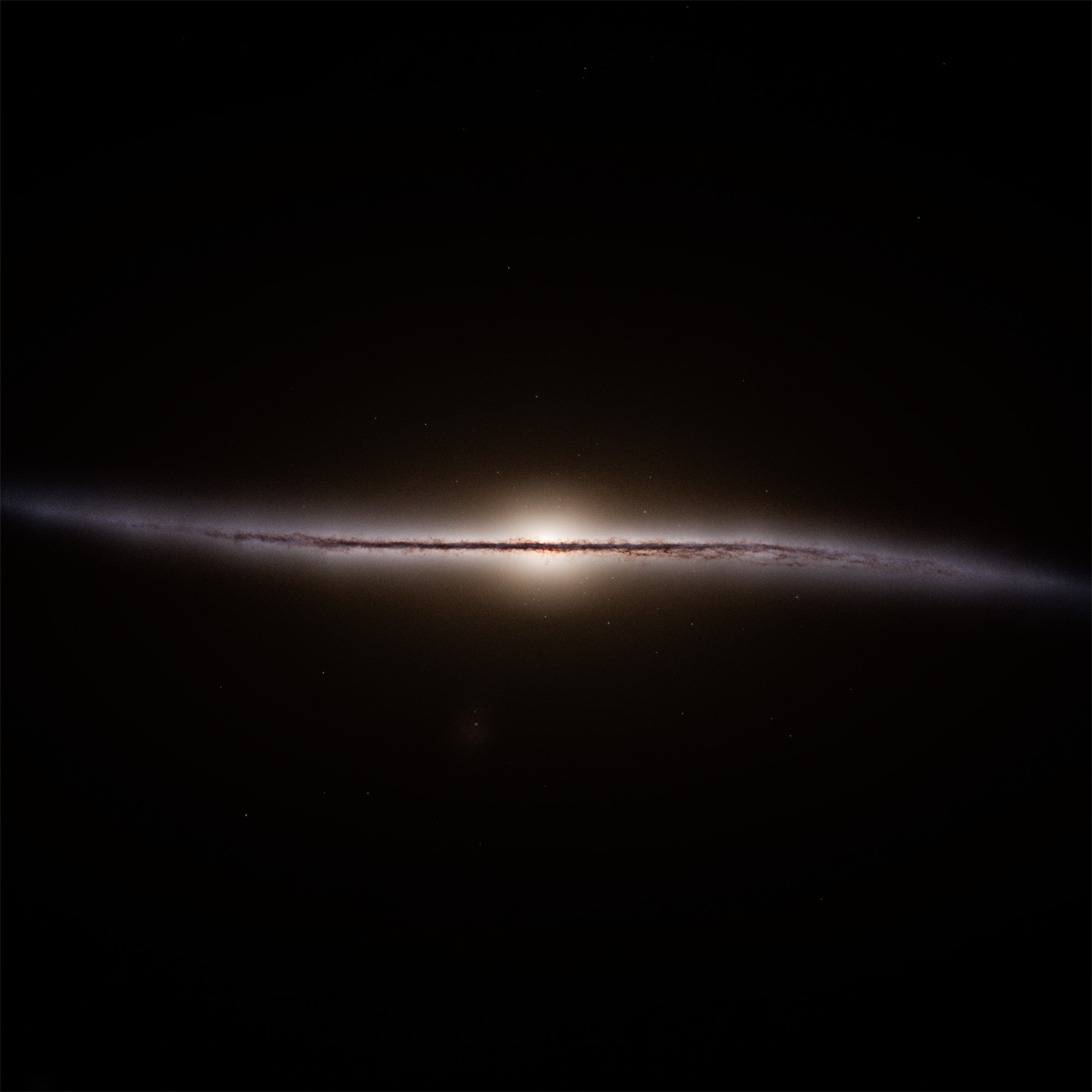
Gaia star ages show the Milky Way's disk started thick and flattened fast 10.8 billion years ago, then settled slowly — the upside-down model for how our galaxy formed.
StarPixels Focus
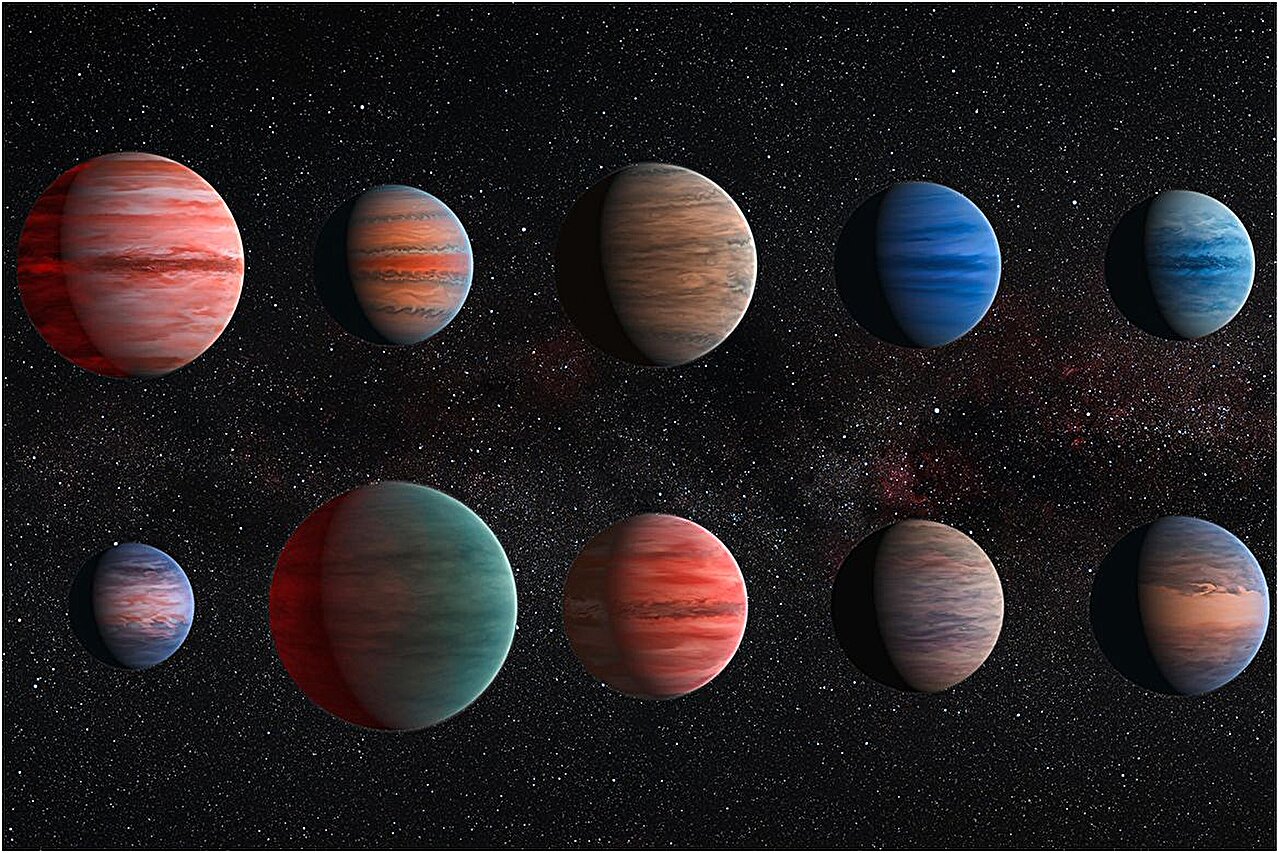
TESS watched a hot Jupiter cross its star for seven years, then the transits stopped. A hidden neighbour is tilting its orbit like a top.
StarPixels Focus
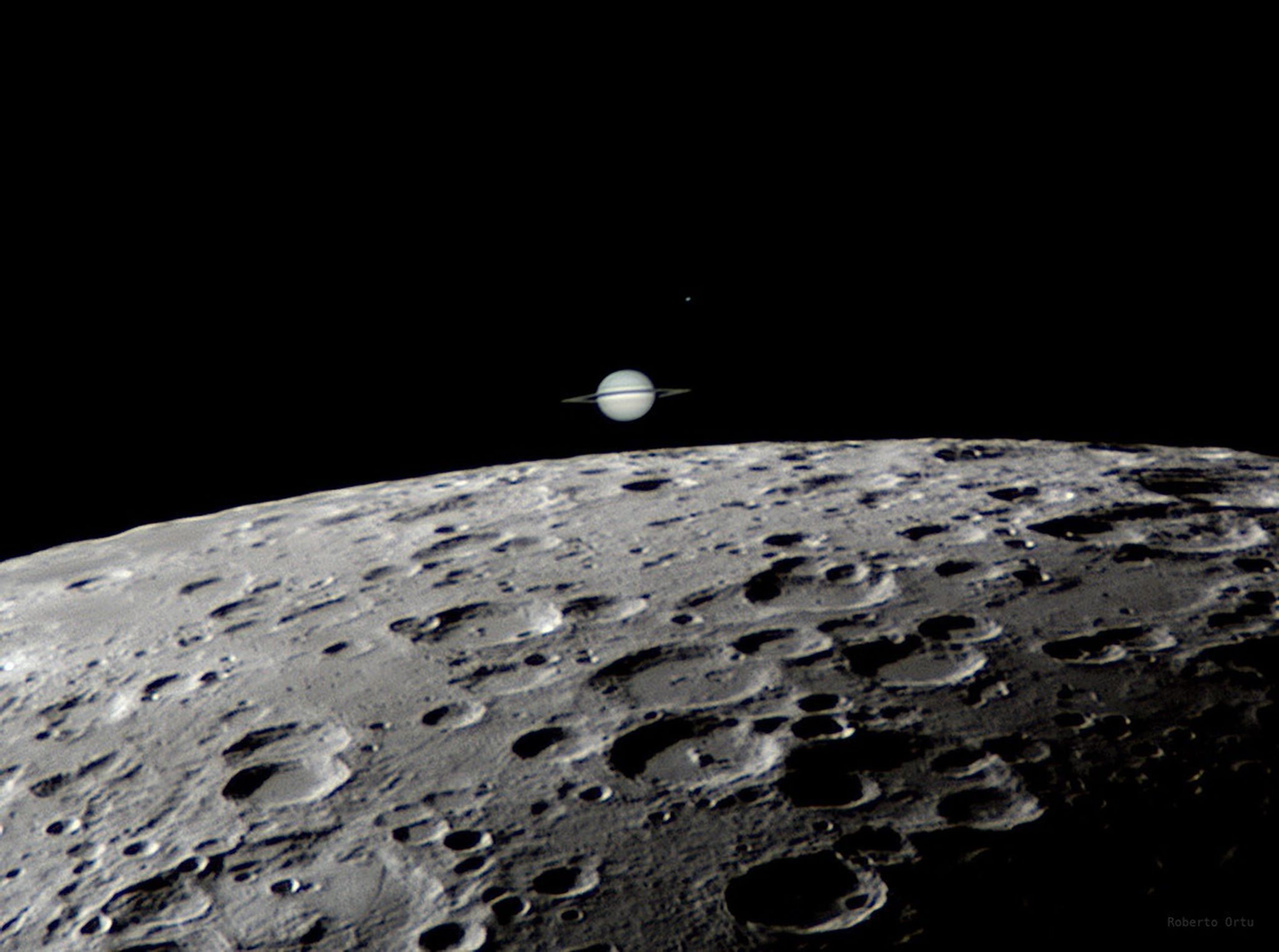
In early 2025 the Moon slid in front of Saturn along a narrow path from Greenland to North Africa. The next one won't happen until 2031.
StarPixels Focus
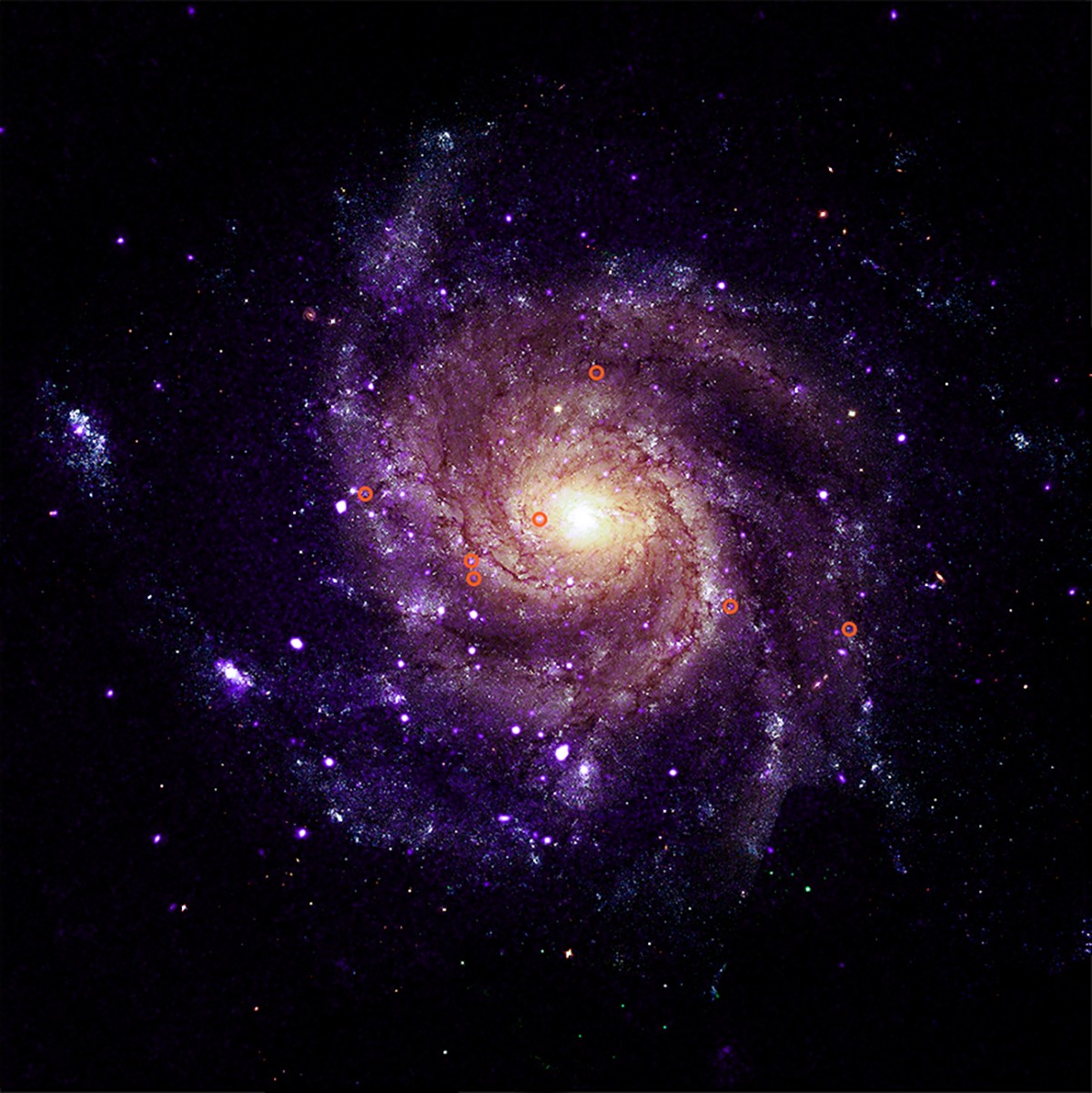
Mining 18 years of Chandra archive data, astronomers found 84 "hypersoft" X-ray sources across six galaxies — a new class of object that may be the long-sought stars that become Type Ia supernovae.
StarPixels Focus
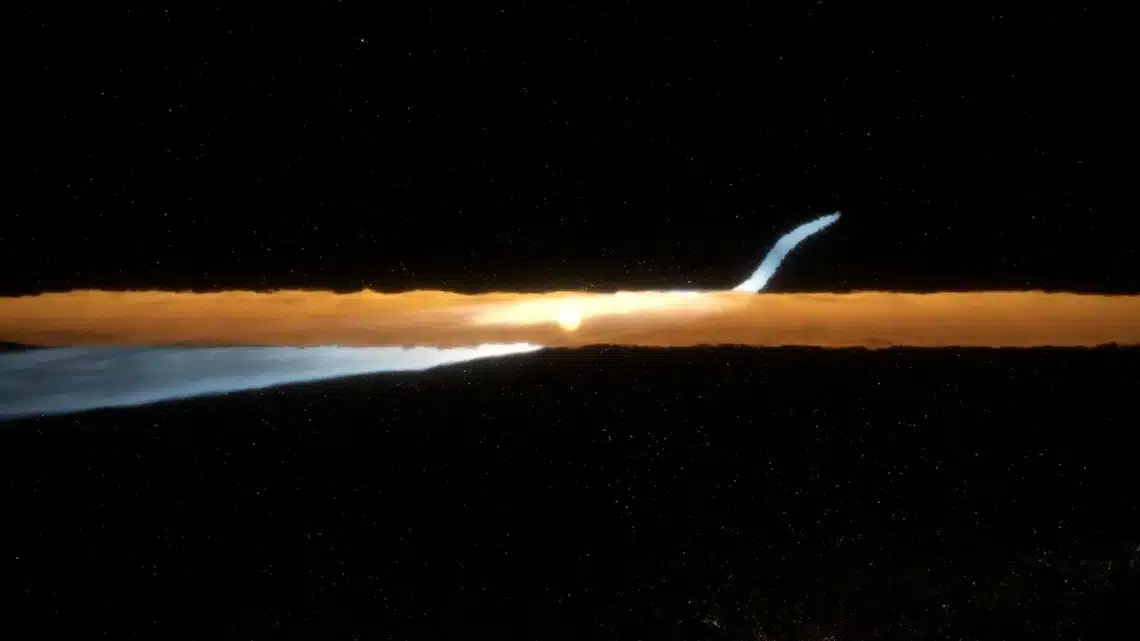
Hubble has confirmed Webb's Cat's Tail in visible light, showing the 1,000-AU dust plume is almost entirely tar-like carbon from a collision between two dwarf-planet-sized worlds about a century ago.
StarPixels Focus
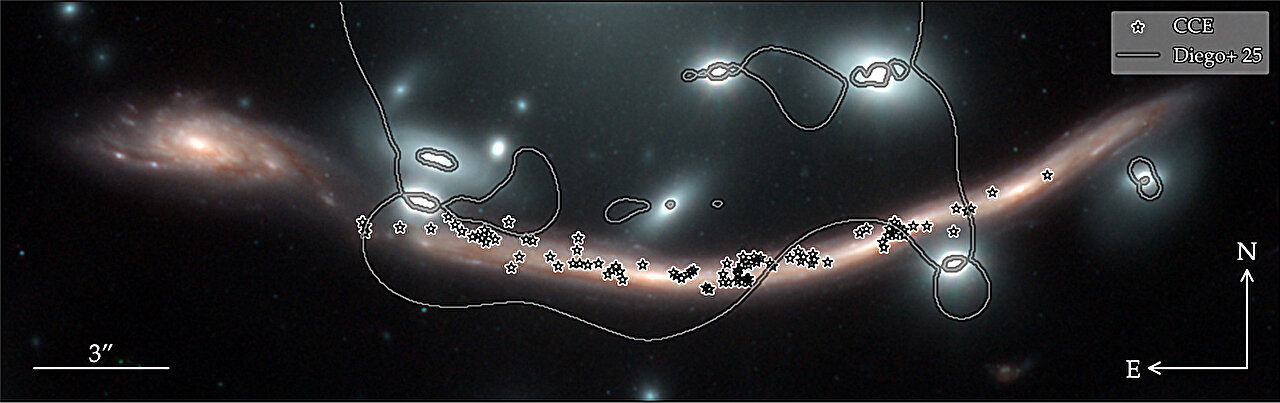
Webb found 104 magnified stellar events in the lensed Dragon galaxy, more than double the old record — a sample big enough to test what dark matter is made of.
StarPixels Focus
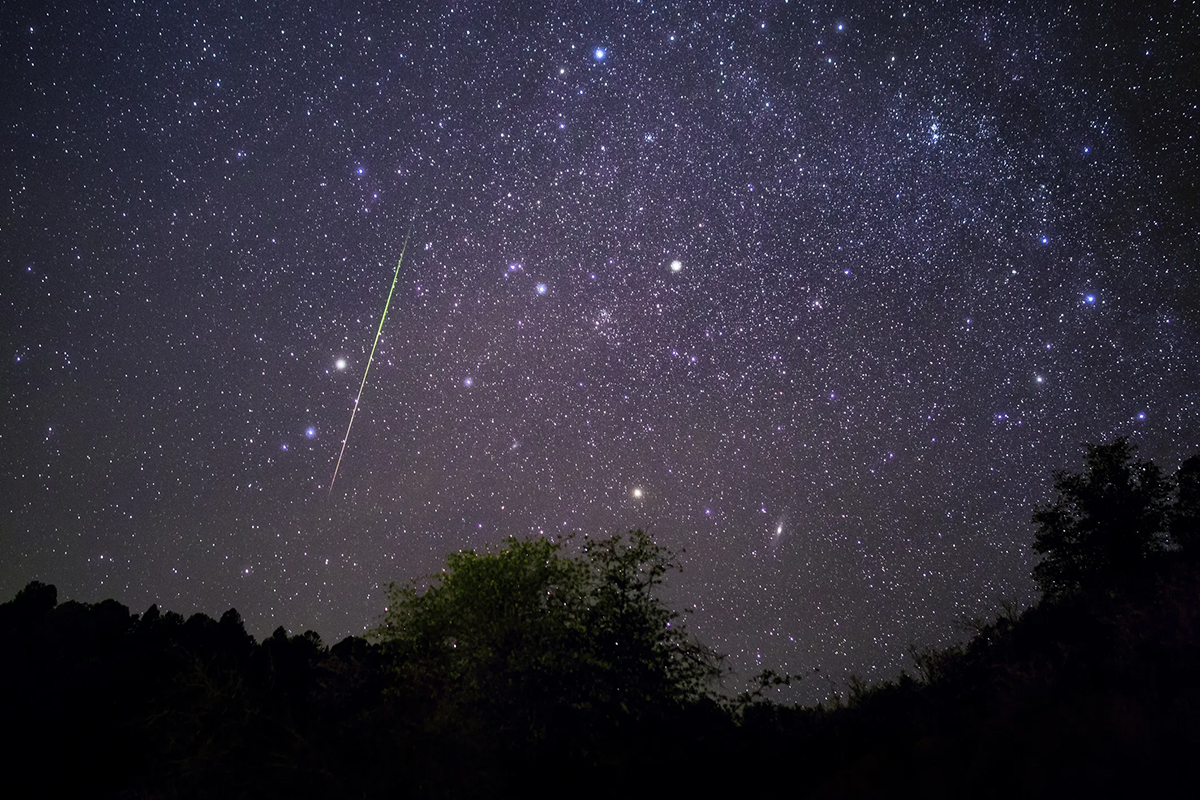
The Leonids peak on the night of November 17–18, 2026, with about 15 meteors an hour under dark skies — and the Moon sets before midnight, leaving the best hours properly dark.
StarPixels Focus
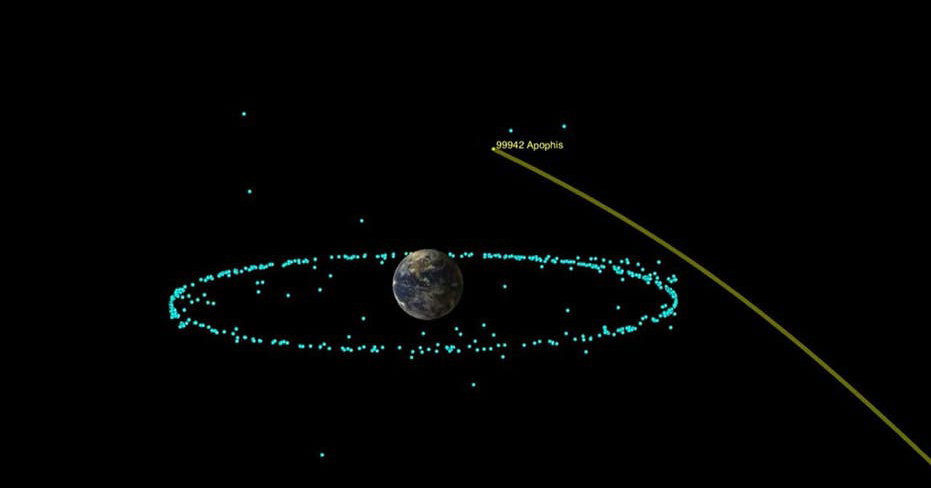
On April 13, 2029, the asteroid Apophis will pass about 20,000 miles above Earth, inside the altitude of geosynchronous satellites. NASA is confident there is no impact risk for at least 100 years.
StarPixels Focus
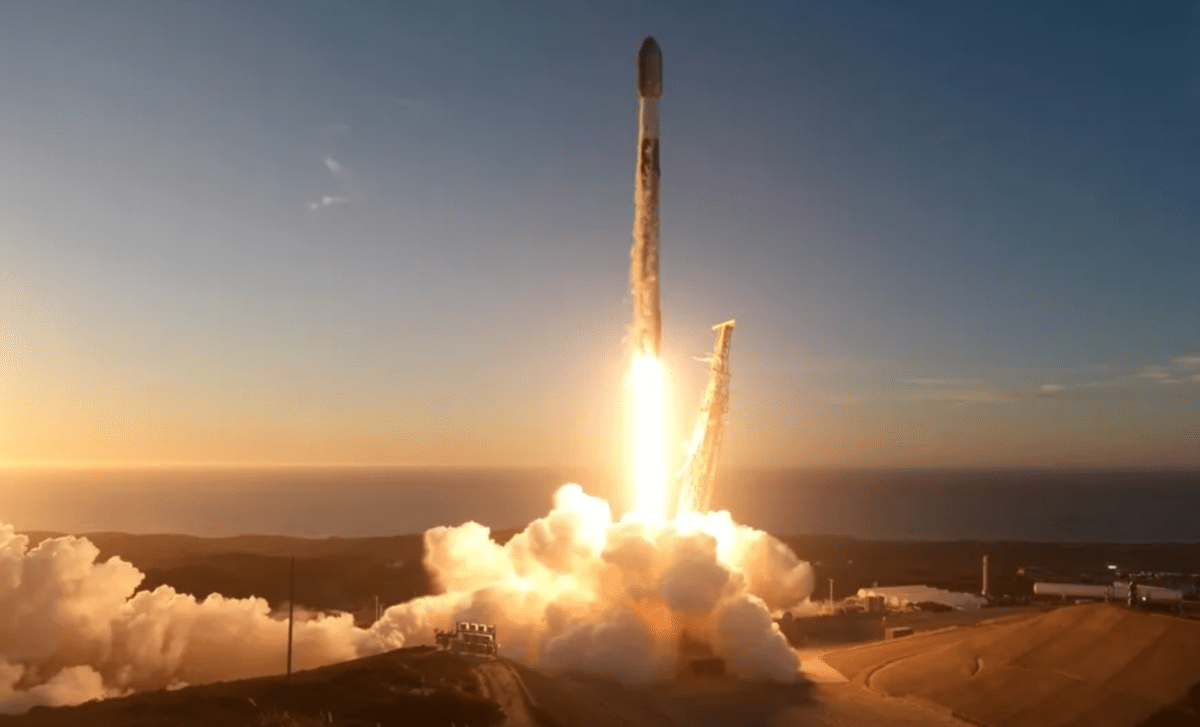
USSF-432 lifted off from Vandenberg on November 6 with a classified payload, while booster B1095 flew for the eighth time and came home to a droneship.
StarPixels Focus
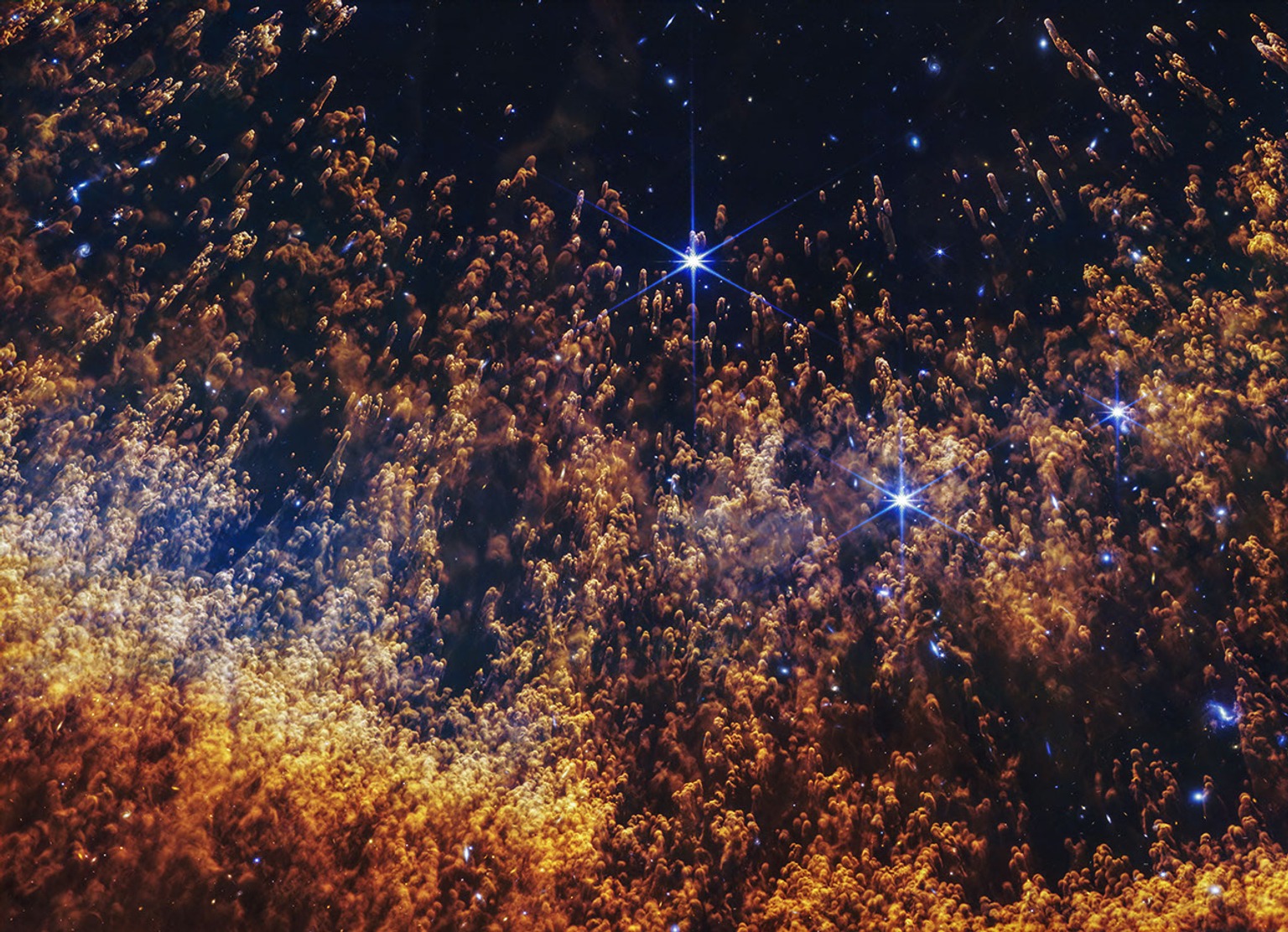
Webb's infrared camera reveals the knots inside the Helix Nebula in new detail — a preview of what will happen to our own Sun in about five billion years.
StarPixels Focus
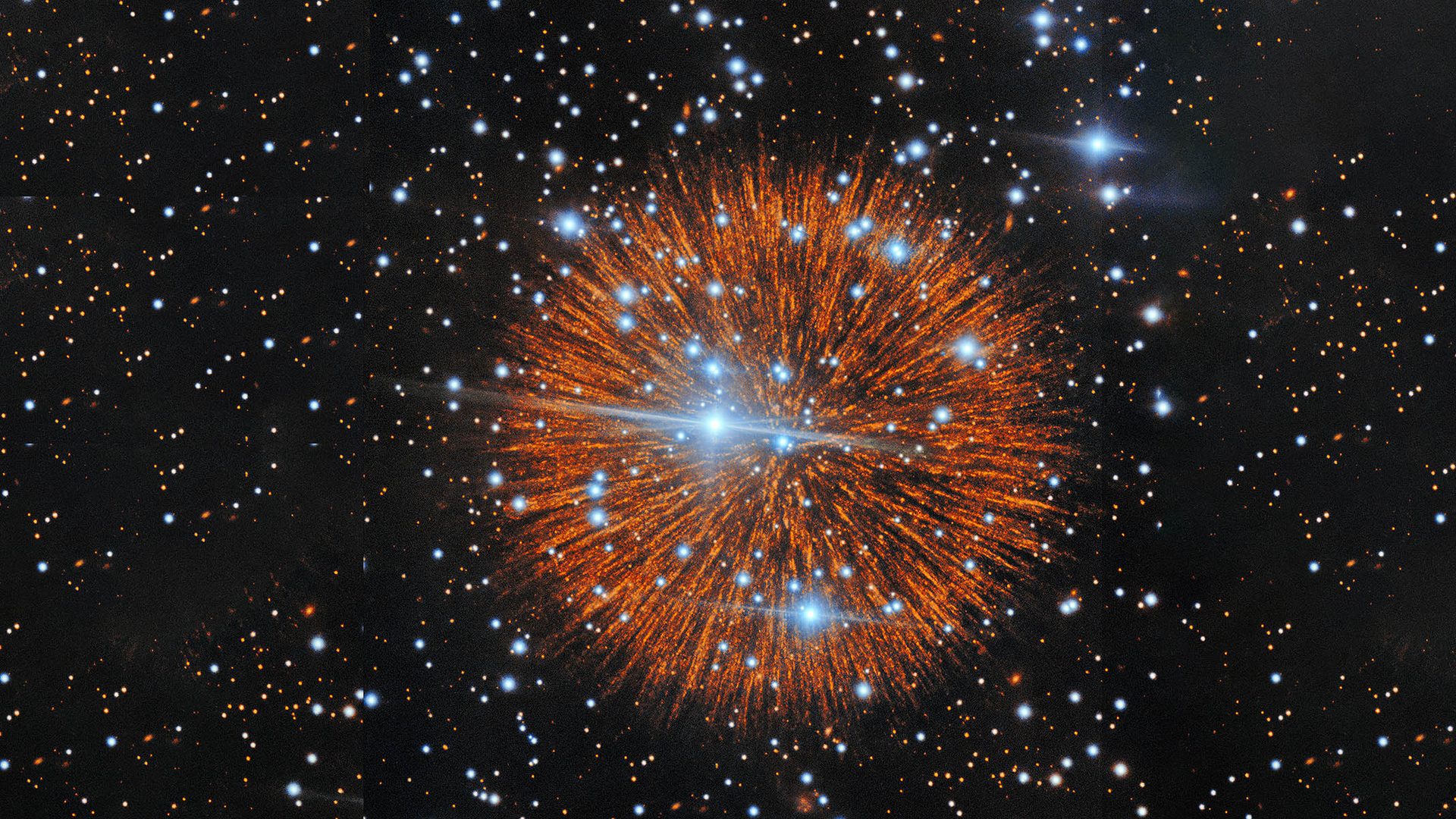
Gemini North's sharpest view yet of the remnant of the supernova seen in 1181 shows its filaments are not smooth streaks, but strings of knots each bigger than our solar system.
StarPixels Focus
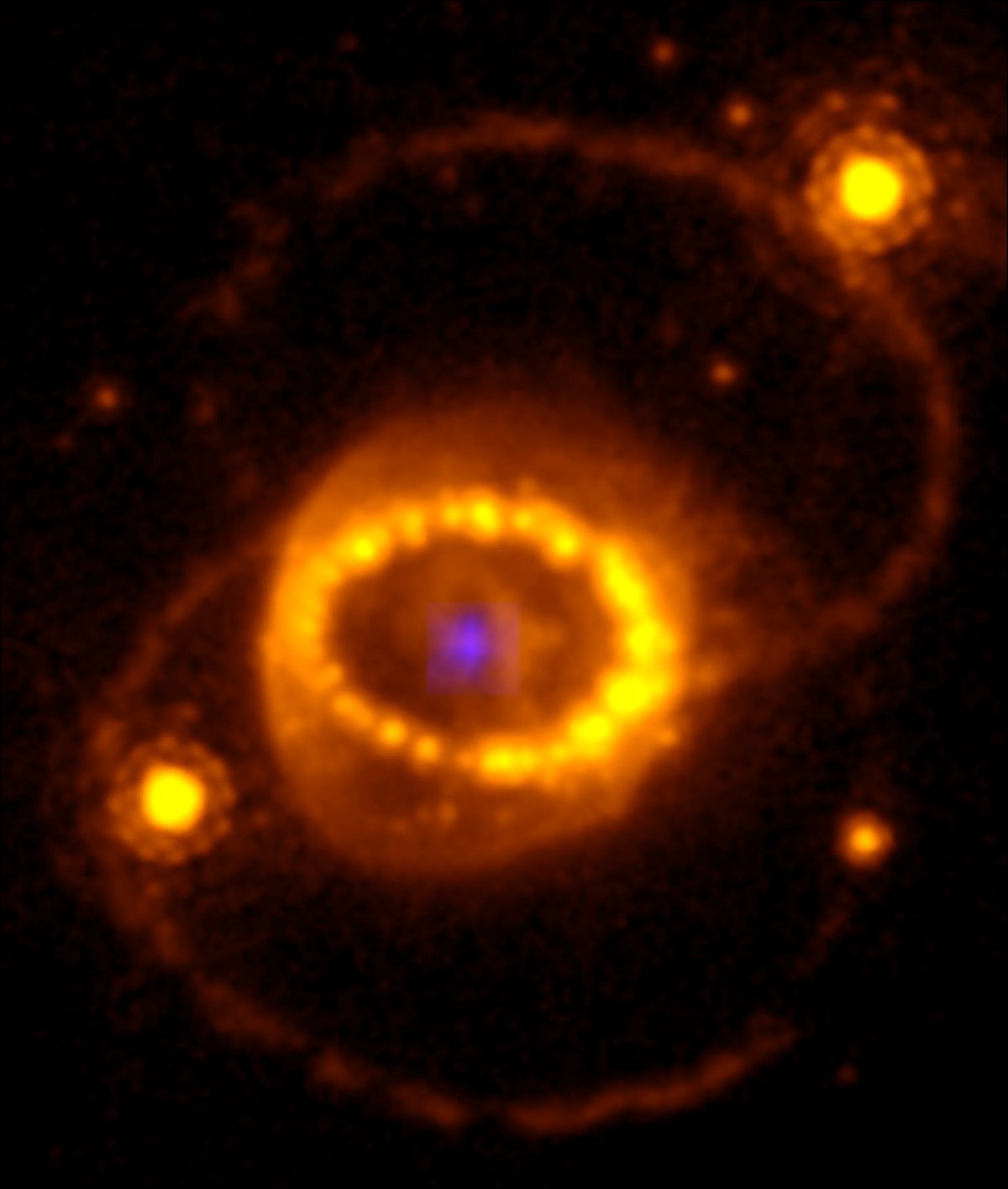
Decades after the closest supernova of the modern age, Webb's infrared view of its center gives the best evidence yet that the neutron star is there, buried in dust.
StarPixels Focus
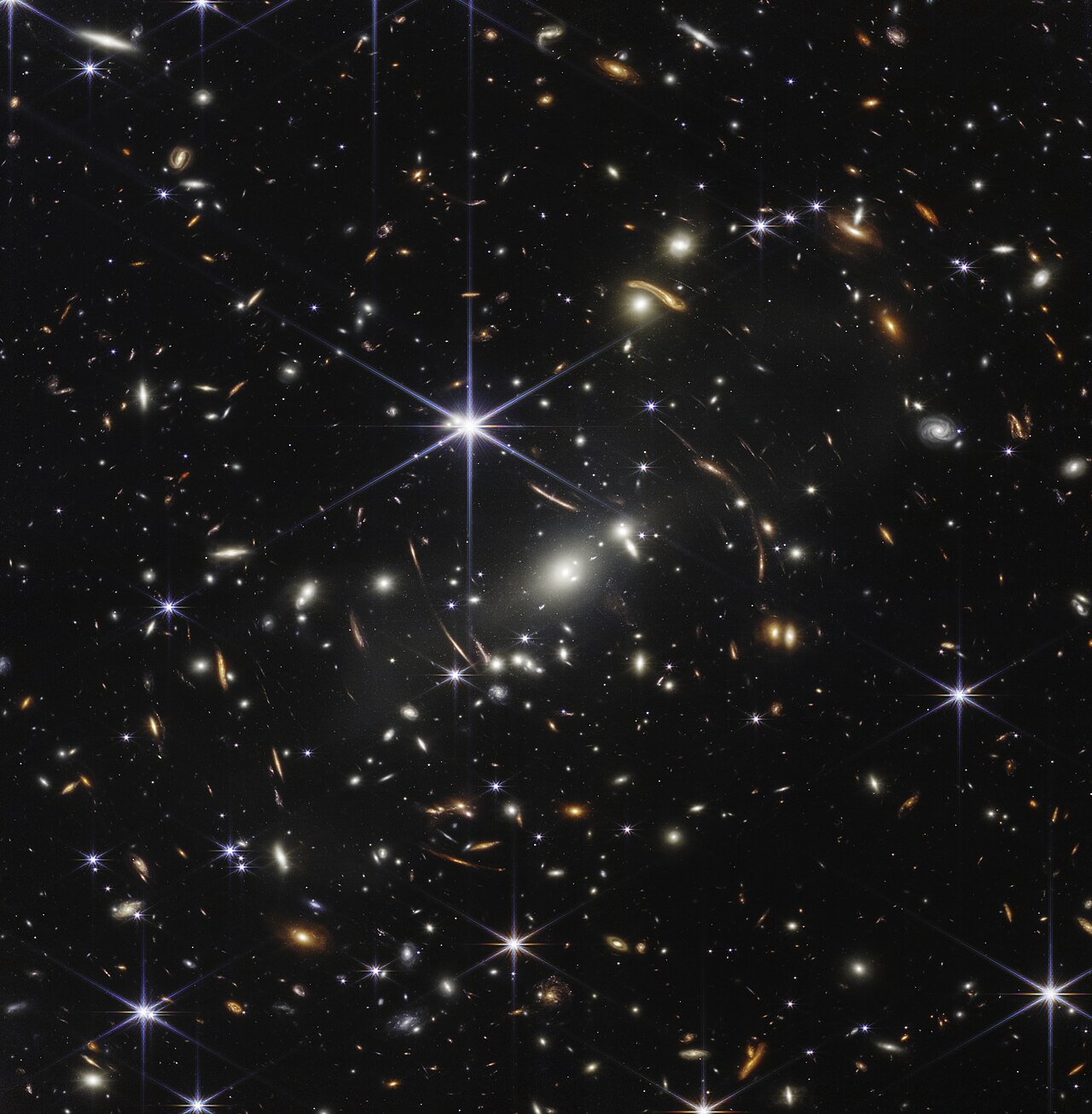
Webb found galaxies in the early universe that shouldn't exist yet. Here's what the 'too many too early' problem means for cosmology.
StarPixels Focus
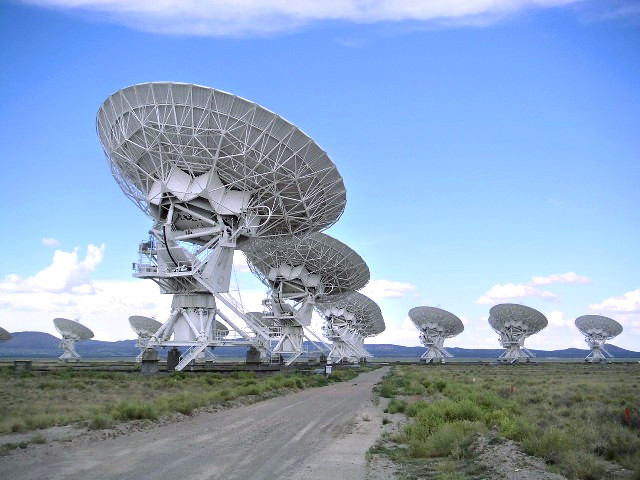
The universe has a hidden layer broadcasting in radio waves. Dead stars pulse like lighthouses, the Milky Way glows with synchrotron radiation, and the oldest signal in existence hums in every direction.
StarPixels Focus
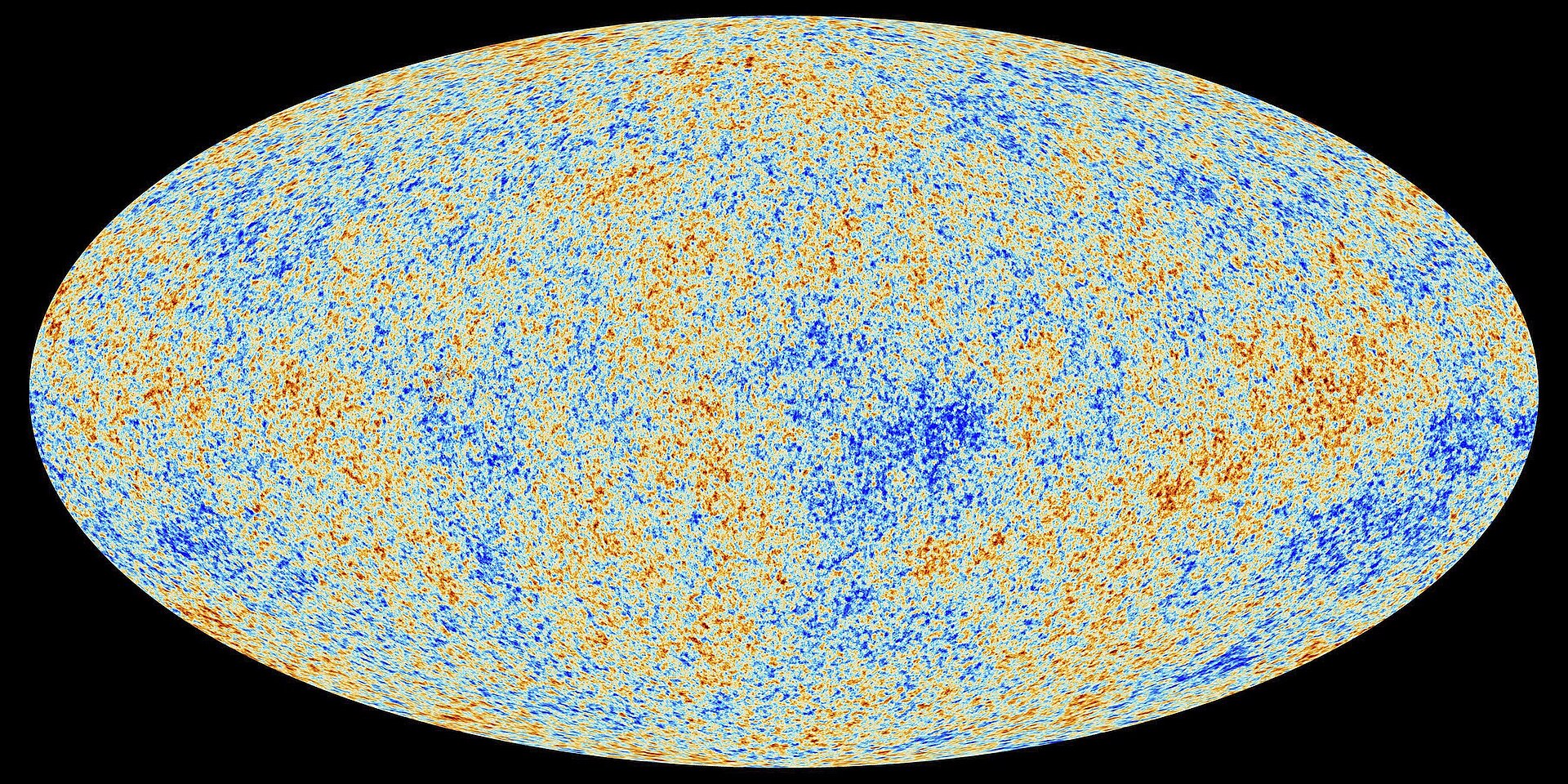
In 1965, two engineers heard a hiss they couldn't explain. It was the oldest light in the universe — and the tiny ripples in it became every galaxy, star, and planet that exists.
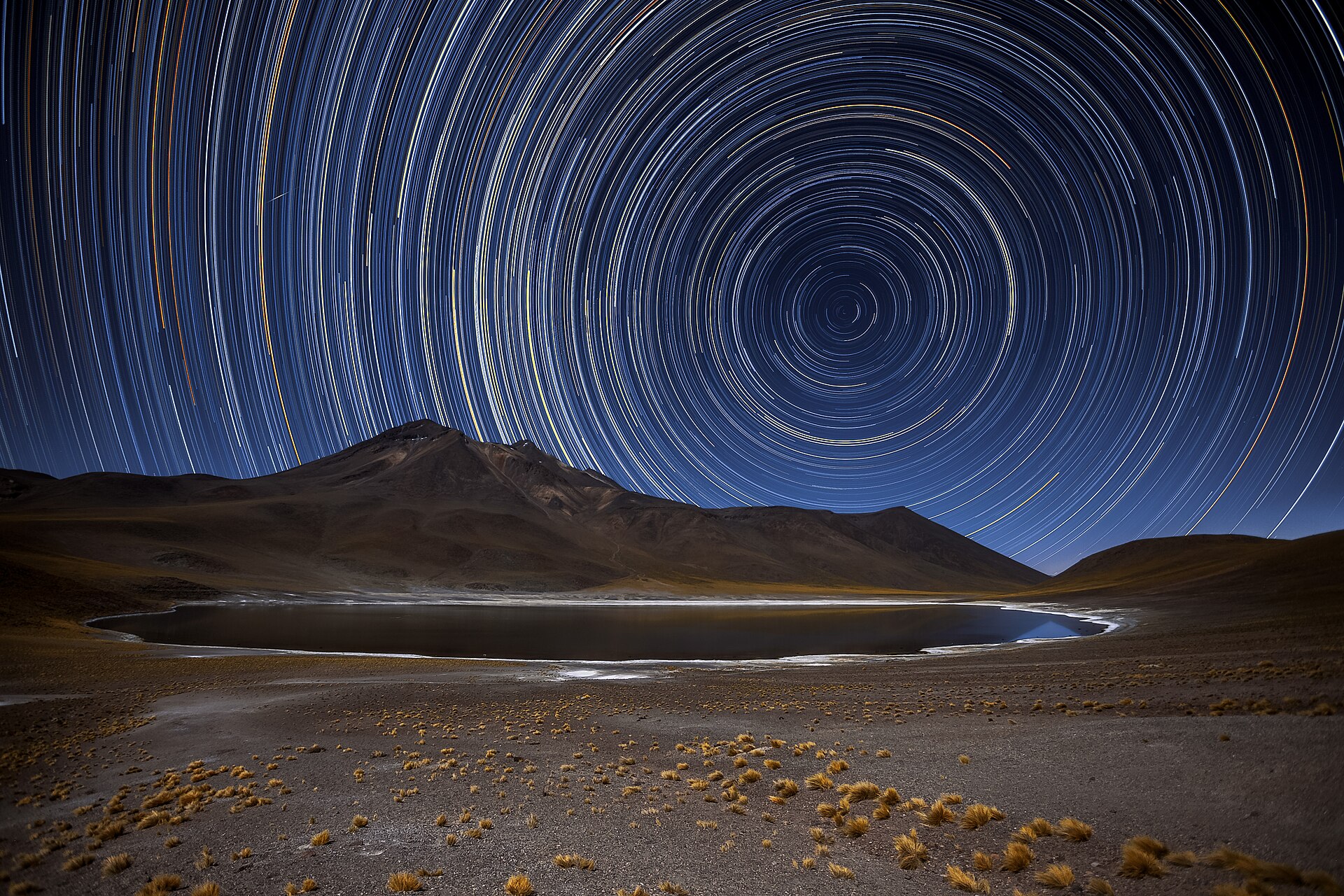
StarPixels Focus
The night sky is a time machine you use by accident. Every photon you see is a piece of history — the Moon is 1.3 seconds old, the nearest star is 4 years old, and distant galaxies predate Earth.
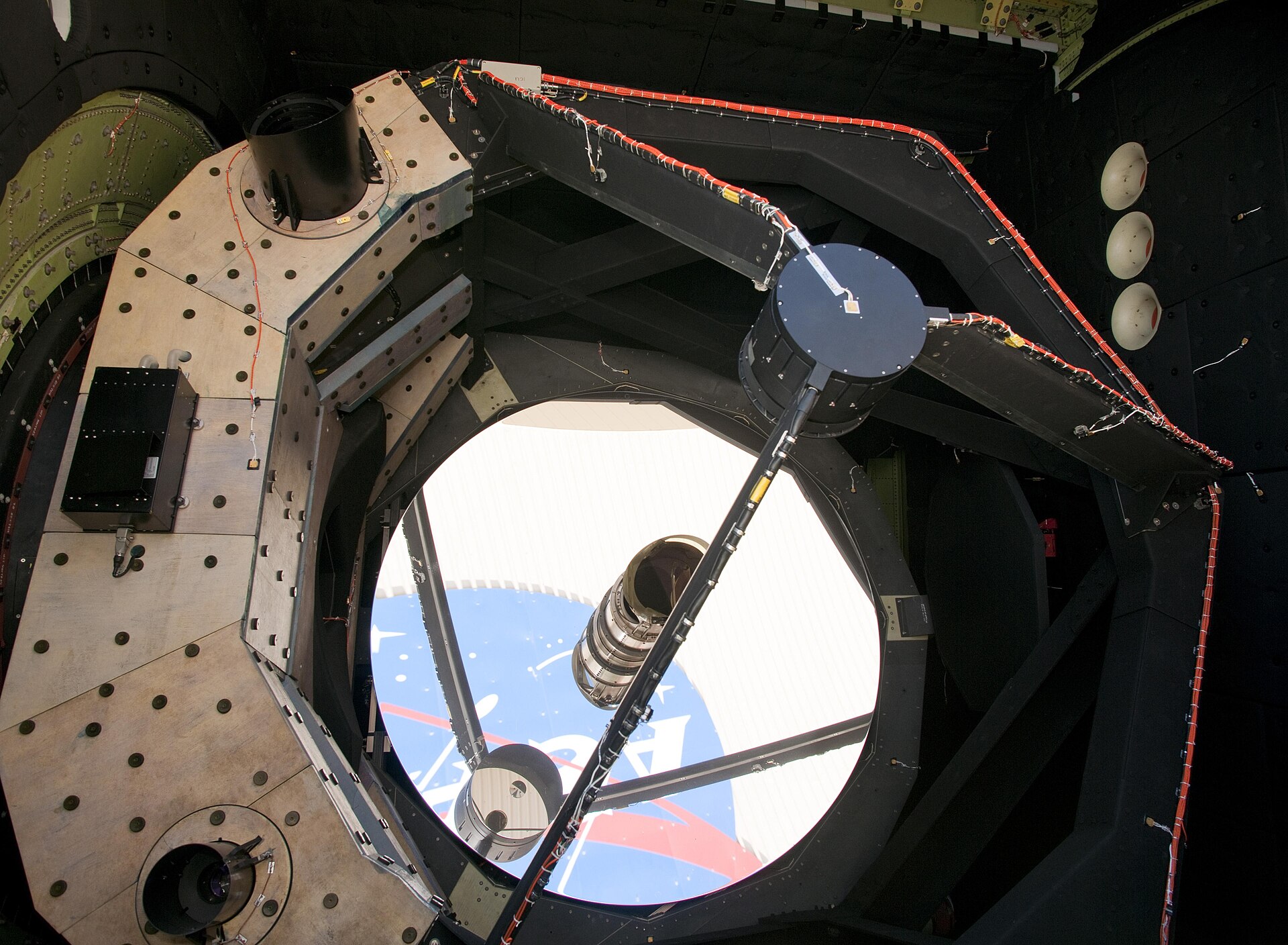
StarPixels Focus
Telescope prices are climbing due to tariffs, supply chain shifts, and demand. Here's what's driving the increase and how to buy smart.